Water damage, without the rebuild
by Roy8 min read
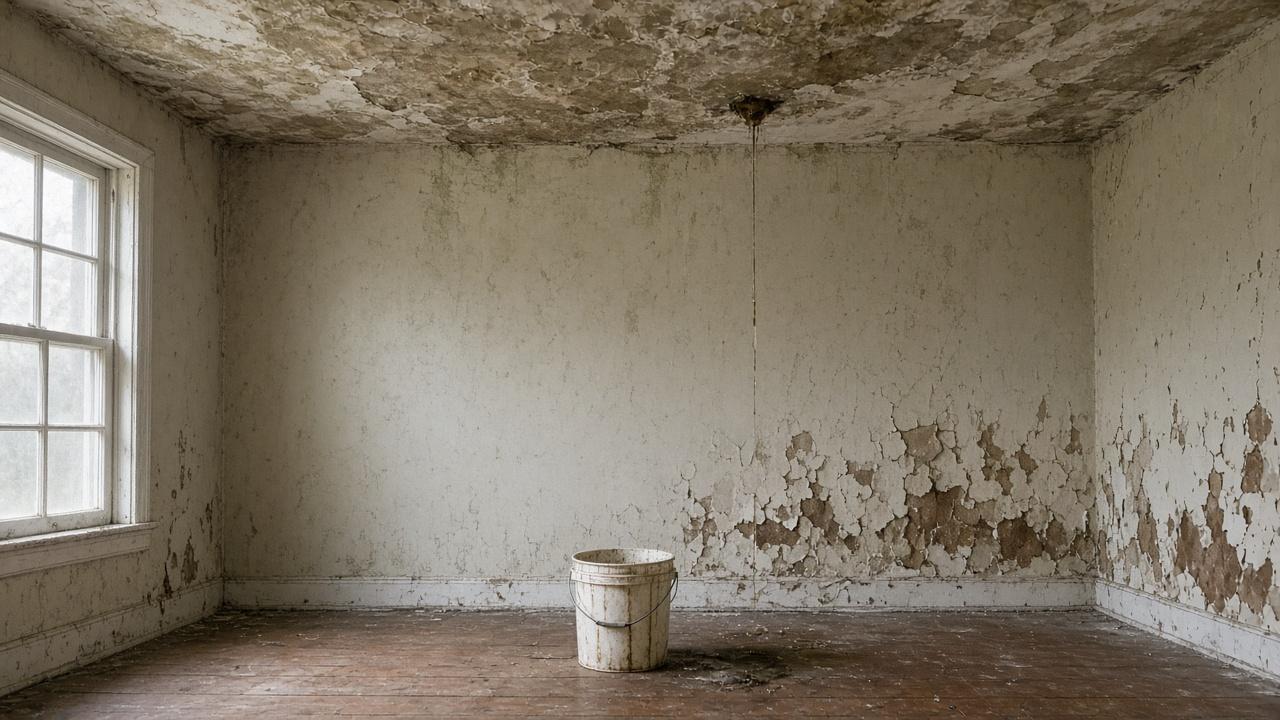
A burst pipe, a spring flood, or a leak that ran for months leaves you standing in a house buyers do not want to tour. The question is whether you have to rebuild it before anyone will buy it. You do not. You do have to tell the truth about what got wet, and you should not paint over it and hope an inspection misses the stain.
Water is one of the repairs people underestimate because the first day looks like a mop job. The second month is drywall, flooring, a smell, and sometimes the framing. This page is about selling through that, not about how to dry a house yourself.
This is general information, not legal, insurance, or repair advice. Your lawyer, your insurer, and a qualified contractor are the people who can speak to your file.
Why buyers step back
A financed buyer and their insurer picture what they cannot see. Wet insulation. Mould behind a wall. A beam that stayed damp. A panel that took water. Even a small stain makes people assume the worst, and their lender may refuse the house until someone certifies the repair. That is why a listing that worked for the house across the street stalls on yours. The problem is not only the look. It is the uncertainty.
A cash buyer prices that uncertainty instead of asking you to remove it. The offer should be lower than a dry, finished house. The comparison is the lower price against the months and the money you would spend trying to make the stain go away.
Where it usually starts
Basements take surface water when the grading or the drains fail. Frozen pipes split and run while the house is empty or while you are asleep. Roofs leak at valleys and flashings and show up as a ceiling spot two rooms away. Supply lines and old shutoffs drip inside walls. A failed sump, or a sump with no battery, floods the same corner every storm. Each of those leaves a different repair. A roof leak is not a foundation. A sewer backup is not a clean-water spill. Say which one it was, if you know.
What it does to the sale
Damage can lower what someone will pay. How much depends on how far the water went, whether it is still wet, and whether anyone has already opened the walls. We will not print a percentage table and pretend it is your house. Five percent of a stranger’s example is not a quote. The only useful number is an offer on your address, next to a real estimate from a contractor if you are tempted to fix it first.
Cosmetic staining on a ceiling that has been dry for a year is a different house from a basement that is still wet, or from rooms where the drywall was never opened. Tell us which one you have. Guessing upward does not survive a walk-through.
The repair bill is the other option
Drying, mould work, new drywall and floors, plumbing, and anything structural are separate trades. They stack. People start because a friend said the stain is small, then stop when the second invoice arrives, and the house is open and unsellable to a retail buyer in the middle. If you cannot finish the scope, do not start it for the sake of photos.
Get a written scope before you decide. Compare that scope with a cash offer that accepts the house as it is. If the scope is smaller than the gap between the two prices, and you can live through the work, fixing it can make sense. If you cannot fund the scope, or you need to be gone, selling wet-and-honest is the cleaner path.
Three ways out
Repair it, then list. That can bring a higher price if the work is finished, documented, and dry. It costs the repair, the carrying time, and a commission, and a buyer can still walk after their own inspection. List it as-is with a realtor and disclose the water. Some buyers will look. Many will not, and the ones who do will send an inspector and ask for a cut. Or sell to us as it sits. No repair list, no open houses, and a price that already includes the mess.
As-is does not mean silent. It means you are not promising a repaired house. You still describe the leak, the rooms, and whether a claim was paid.
Insurance is a separate file
A claim is between you and your insurer. We do not tell you to open one, drop one, or spend the cheque on a kitchen. If money was paid for repairs you did not do, your policy and your lawyer govern what you may do with it. Do not ask a buyer to help you hide that. If the insurer cancelled the policy because of the loss, say so. An uninsured wet house is a different risk from a house that is dry and covered.
Selling does not require you to complete the insurer’s repair list first. It does require you to stop describing a finished repair you have not done.
What not to do while you decide
Do not paint wet drywall. Do not run household fans for a week and call it remediated. Do not keep using outlets or a panel that took water. If sewage came in, that is a health issue, not a listing detail, and it needs people who do that work. If the ceiling is sagging, stay out from under it. None of this is a repair manual. It is the short list of things that make the house worse, or unsafe, while you are choosing a sale.
Which rooms got wet
- The address and which rooms got wet
- Whether it is dry now, or still damp
- The cause, if you know it: roof, pipe, drain, sewer, or storm
- Photos, including anything you have already opened
- Whether an insurance claim was opened, paid, or denied
- City letters, if any, and who else must sign
A listing that leads with the stain
Some owners list anyway and write “as-is” in the remarks. That can work when the water was old, the house is otherwise sound, and you can host an inspector. It fails when the basement is still wet and every showing becomes a negotiation. You will pay a commission if it sells, and you will carry the house until it does. Put that carrying cost beside our number. If the listed path is only attractive because you hope a buyer will not notice, it is not a path. Disclosure is part of the sale either way.
Who else is affected
If you still live there, the dry rooms are your housing until closing. Say so, and do not agree to a date that leaves you without a place. If a tenant is in the unit that flooded, the tenancy is still a tenancy. Ontario and Alberta do not use the same rules, and a sale does not automatically end a lease or decide who pays for a hotel. That conversation is for a lawyer, not a blog.
A spouse on title has to sign even if they moved out after the leak. A city order about the wet basement, mould, or an unsafe porch does not vanish when you accept an offer. The agreement has to say who finishes the remaining work. Bring the letter with the photos.
No dry-out required to ask
We buy houses with water damage in Ontario and Alberta. You do not have to dry them, gut them, or repaint them to get a number. There is no listing commission from you and no buyer’s bank. The offer is in writing and prices the condition we will actually receive. Your lawyer reads it. You can refuse it. We will not promise a number of days, and we will not pay your legal bill. If mould, structure, or a live leak means we need a second look, we will say that before you sign.
Name the water, not just the stain
A burst pipe, a failed appliance, a storm, and a sewer backup leave different houses. Say which, and whether it is still coming in. Paint over a stain does not dry the wall behind it. If you gutted two rooms and stopped, that open repair is the condition. If a claim is open, your insurer and your lawyer govern the cheque. Do not ask a buyer to describe the work as finished. If you are living in the dry rooms, do not agree to be out before you have a place.
Paint will not hide a wet wall
Can you sell it without fixing it? Yes. Will the price match a dry house? No. Should you file a claim? Ask your insurer, not a buyer. What if you already gutted two rooms and stopped? Say so. An open repair is part of the condition. What if you do not know how far the water went? Then neither do we, and the offer has to reflect that until someone opens the wall. Do you have to move out first? No. Tell us if you are living in the dry rooms.