A house that has been vacant for years
by Roy8 min read
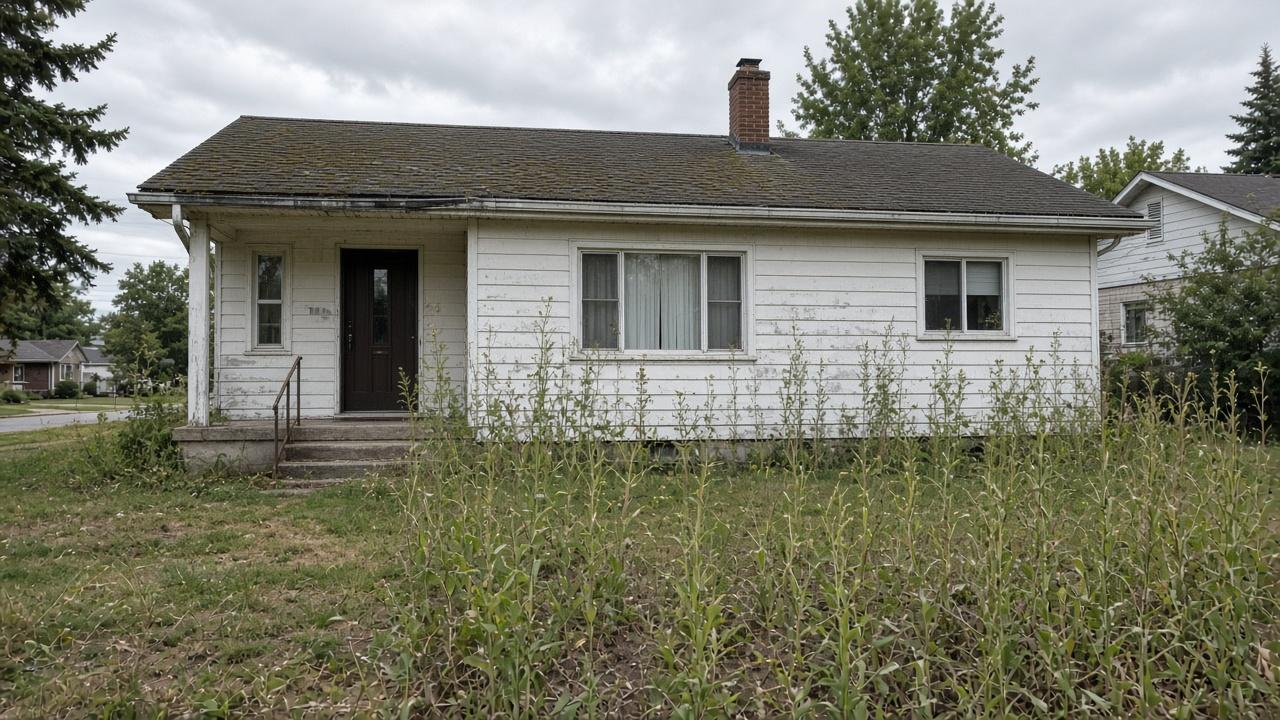
The house has been empty long enough that you are no longer sure what is inside. Inherited and never dealt with. Pushed down the list. A rental that ended and nobody went back. Years of vacancy are not a pause. They are moisture, systems that seize, animals, and bills that never stopped.
This is general information, not legal or financial advice. Your own lawyer is the person who can speak to your file.
What time does to an empty house
Air stops moving and damp stays. A small leak becomes a ceiling because nobody heard it. Plumbing and heat that sit unused fail in ways a lived-in house would have caught in a week. Mice and other animals treat an attic as vacant too. You walk in and it is worse than the memory. That is normal, and it is why a buyer who wanted a move-in house will not be your buyer.
Insurance is the quiet second problem. Many policies limit how long a house can sit empty, or they change the coverage. If you never told them, a loss can be denied. Tell them now if you are keeping it even one more season. Tell us if the policy is already cancelled.
The bill for holding it
Mortgage, tax, insurance, a little heat or none, and the occasional trip to cut grass or answer a city letter. We will not print someone else’s monthly total or a yearly figure and call it yours. Add your statements. If the house has been empty for several years, multiply. That total is the price of waiting for a plan. At some point the question is whether another year of that is worth more than a lower sale.
Why listings struggle
Neglect shows. Dated finishes show. A smell shows. Utilities that are off make inspections guess. Lenders dislike houses that are not livable. You may be managing this from another city, which means every showing needs a person you do not have. Buyers assume hidden damage, and often they are right to wonder. You can still sell. You should not expect the price of a house someone heated last winter.
What you can skip
A full cleanout before you ask for a number. A cosmetic renovation. Pretending someone lives there. You should not skip securing an open door, telling the insurer the truth, or mentioning a city letter about the yard or an unsafe porch. If you lost the keys, say so. If a relative changed the locks, say that too.
Estates and distance
Years of vacancy and an unfinished estate often travel together. Clutter is not probate. Your lawyer says when the estate can transfer. If siblings are on title or in the will and have not agreed, we cannot buy around them. Contents the family wants should come out before closing if someone can do it safely. What stays has to be in the agreement. Distance is fine for a cash sale. It does not remove the lawyer or the signatures.
Winter and water
An unheated house through an Ontario or Alberta winter is how empty becomes destroyed. If you are not selling before the cold, winterize it properly or heat it. Hoping is not a method. If the pipes have already burst, that is the condition. Describe it. Do not start a dry-out you will not finish.
How long it has been empty
- The address and how many years it has been empty
- Whether heat, water, and insurance are on
- Photos if you can get in safely
- City letters
- Whether this is an estate, and who else must sign
- Who has keys
What usually fails while nobody lives there
Moisture where the air stopped moving. A crack that grew because nobody watched the grading. Wiring that was already old. Plumbing that sat, then froze or seized. Animals in the attic. A roof leak that became a ceiling. You do not have to repair that list before you ask for a number. You do have to name the items you know about. A house with the power and water off cannot be described as fine. Ordinary lenders often will not fund what their inspector cannot test. That is why those listings stall. It is not an invoice you must pay first.
We will not print a cleaning bill, a mould range, or a renovation total from someone else’s empty house. If you want to bring it back to a condition ordinary buyers will tour, get those quotes on your address and compare them with an offer that accepts the neglect. Quotes you cannot supervise from another city are a wish.
Three ways people try
Renovate, then list, if you can fund the work, finish it, and be present for the trades. A light clean and a listing still needs showings, a person with keys, and buyers who will hesitate at the smell and the missing records. Or sell to us and skip the cleanout. That price should be lower than a house someone heated last winter. Compare the gap with another year of tax, insurance, and decay, not with the house as it looked the year someone last slept there.
What is inside is a separate question from the building. An estate’s lawyer says who owns the contents. Family storage and a person living there without a right to be there are not the same problem. Do not promise the house will be empty on closing if you have not walked it.
Records nobody kept
A long-vacant house often has no recent roof invoice, no record of the last time a septic tank was pumped, and mail in a name that is not yours. Say what you do not have. Guessing that the furnace was replaced is how a walk-through changes the number. Tax notices and a final utility bill sent to the empty address still have to be handled at the lawyer’s office. If a relative has been the only person inside for years, their photos are a start. Their memory is not an inspection.
What neighbours and the city already know
A house empty for years is rarely a secret. Grass, a porch, mail, or a broken window becomes a letter. Selling does not erase a work order. The agreement has to say who finishes what is left. If people have been inside who should not have been, say that too. Squatting and casual storage by a relative are different problems, and both affect access and possession on closing day. Do not promise the house will be empty of people if you have not been there to look.
Utilities in a dead relative’s name, a final bill you never saw, and a tax notice sent to the vacant address all show up at the lawyer’s office. Mention them. A cash offer cannot find mail you have not forwarded.
Price the neglect, not the memory
We buy houses that have sat empty for years. You do not have to move back, stage them, or renovate them. There is no listing commission from you. The offer prices the neglect we will actually receive. Your lawyer handles the transfer. You can refuse the number. There is no fee to ask, no printed number of days, and we do not pay your legal bill. If we cannot get in, we cannot pretend we priced the inside.
A walk-through after a long absence
If you can enter safely, do it once before you accept a number, or tell us you will not. Photos from the door are a start. They miss a soft floor, a missing furnace, and a basement that has been wet for three seasons. We would rather change the offer after a real look than have you sign for a house neither side has seen. If the structure looks unsafe, do not tour it to be thorough. Say the entry is restricted and send what you can from outside. A house you have not entered in years should not be described from memory alone.
Do not renovate it back to a memory
The year someone last lived there is not the house a buyer will walk into. Paint over a smell, a new lock on a wet basement, and a dumpster you cannot fill from another city do not recreate that year. If a contractor’s scope is smaller than the gap between a listing and a cash offer, and you can be there to finish it, the listing can still win. If the scope is how you have been stuck, sell the house that is standing. Say which systems you have not turned on in years. Off is a condition. Unknown is a condition too.
If nobody has been inside
Can you sell it like this? Yes, once the right people can sign. Do you have to empty it? No. What if it is full of someone else’s things? Sort out who owns the contents before closing, with your lawyer if it is an estate. How fast? When title and access allow. What if you have not seen it in two years? Say that. The offer has to allow for what neither of us has seen.