A hoarder house in Cambridge, sold as it sits
by Roy8 min read
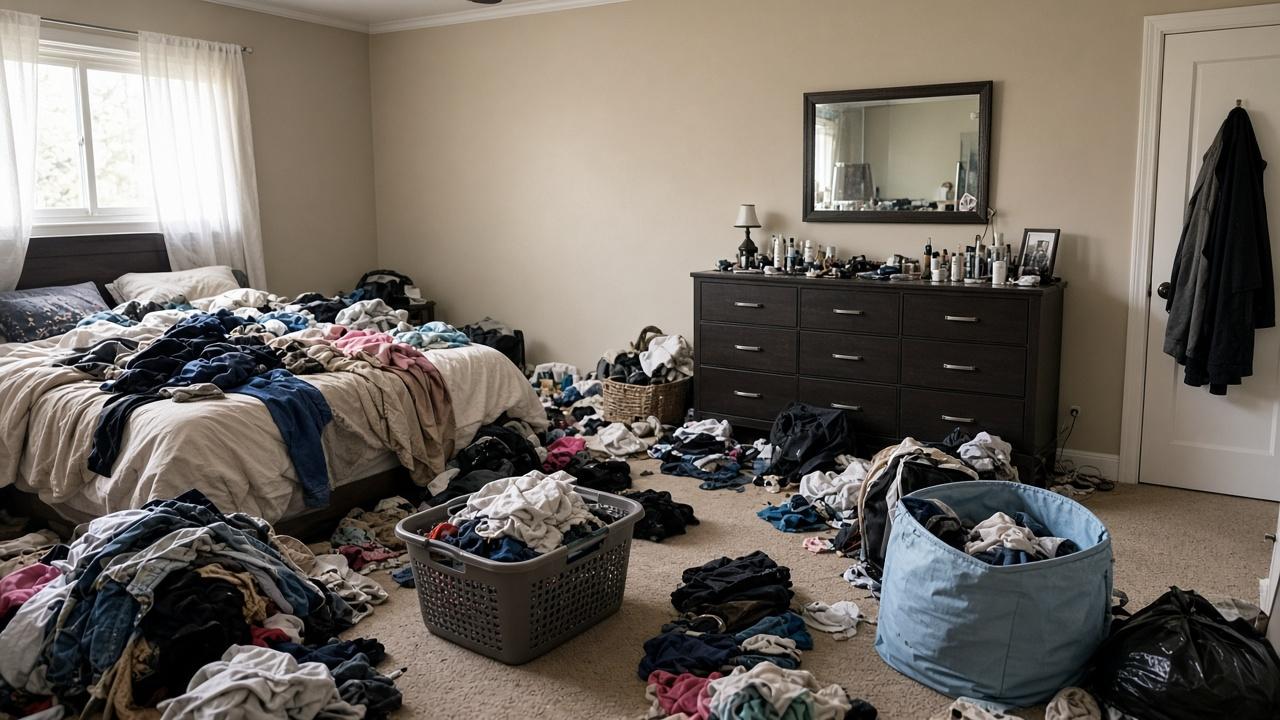
Opening the door is the hard part. The house may be a parent’s, now that they have moved into care. It may be a Cambridge place you inherited, packed with decades of belongings. You may be helping someone who could not keep up, or you may be the owner and you want out without months of sorting.
You do not have to empty a hoarder house before you sell it. Cleanup is a plan. It is not the first decision.
This is general information, not legal advice. The municipality and your lawyer are the ones who can speak to your file. A contractor’s guess is not the notice.
Decide the sale before you rent a dumpster
The instinct is to order a bin. There are two different plans. One is to clear, repair, and prepare a traditional listing. The other is to sell the house as it sits and leave most of what you do not want. If you are doing the first, clearing it makes sense. If you are doing the second, paying to empty it first can be money you did not need to spend. Choose the sale, then the cleanup.
What you are actually looking at
Ignore how it looks for a minute and name the situation. Mostly clutter, and the house underneath is sound: a cleanup may be manageable if you want a listing. Several rooms packed: get a cleanup estimate before you commit. The whole house is full: compare that estimate with an as-is sale before you start. Strong odours or a sanitation problem: that may need a professional, and it may still be something you disclose rather than finish. Water, mould, or pests are visible: those are repairs, not just bags. The house also needs a renovation: an as-is sale is often the simpler math. You need to be done quickly: do not start a project. Valuable things are mixed with junk: sort those before anything leaves. Family lives outside Cambridge: pick a path that does not require you on site for weeks.
There is no prize for the hardest version of the sale.
The piles can hide the expensive part
Clutter is not always the costly problem. What is underneath can be. After years of limited access, people find damaged floors, a leaking pipe, mould, rodents or insects, broken appliances, ruined drywall, stains, a roof leak, electrical trouble, a bathroom that failed, pet damage, rot, broken windows, a furnace that quit, or a structural issue.
Emptying the house and then discovering the repair list is how a cleanup bill becomes a second, larger bill. Look at the whole house, or have someone look, before you commit to hauling everything out. We would rather hear “I have not seen the floor” than discover it after you thought the price was settled.
If you do remove things, do it in four groups
Do not start with random bags if you have decided to clear. Work one room at a time. Keep personal papers, photographs, and the things the family actually wants. Sell only what is worth the time. Donate what is usable and not worth listing one by one. Remove what is damaged, contaminated, or unwanted.
In a heavily filled house that sounds simple and is not. One room can take a day. Papers that include other people’s private information are worth pulling out if you can do it safely. You do not have to finish every room to ask us for a number.
Safety comes before a listing photo
If a path is blocked, a floor is soft, or pests are in the food or the wiring, deal with the hazard. Do not send relatives, buyers, or a junk crew through a route that is not safe. Perishable waste and anything that is a health problem should not wait for a showing schedule. The rest can stay.
A city letter about the yard or the house is separate from the clutter. Read the deadline. An order does not disappear because the rooms are full.
Estates and more than one owner
Belongings do not replace signatures. If this is an estate, your lawyer will say when the estate can transfer the house. If a sibling is also on title, they have to sign. We will not buy around them. Who owns the contents, and who is allowed to throw them out, is a family and legal question. We price a cleanout. We do not decide whose photographs those are.
Why a Cambridge listing stalls
Photos are impossible. Showings feel invasive. An inspector may refuse to walk a house they cannot see. Retail buyers picture the worst and leave. A cleanup quote comes in larger than anyone wants to pay, and then the repairs under the piles are still there. You can still list after a full clear-out if you want that pool of buyers and you can pay for the time. You do not have to.
What an as-is sale means here
The price includes the contents you leave and the condition under them. It is not a license to hide a leak you know about, a soft floor, pests, or a municipal order. Say those out loud. Take what you want before closing day. Say which rooms, if any, you want saved. Neighbours do not get an announcement about why the rooms are full.
What to tell us
- That the house is full, and how full
- Pests, leaks, odours, or unsafe floors you know about
- A city letter
- Whether this is an estate, and who else is on title
- Whether you live near Cambridge or you do not
- What you want to take, and what can stay
The person, the papers, and the floor
Sometimes the person who filled the rooms is still alive and has moved into care. Their wishes about a photograph are not the same question as who can sign the deed. If it is an estate, your lawyer says when the house can transfer. If they are alive and still on title, they sign, or a power of attorney your lawyer accepts does. We will not decide that a relative may throw the rest out. Papers with other people’s information should come out if you can reach them safely. A crew should not be the one who chooses what is valuable.
Odour, pests, and a soft floor are not the same as boxes. Say which you have. An insurer who still thinks someone lives in a packed, empty house should be told the truth. A city letter about the yard is a separate file from the rooms. Family who live far from Cambridge do not have to spend weeks on site to hear a number. One visit, or photos from the door if the path is unsafe, is enough to start. Take what you want before closing. What stays is part of the price, including the cleanout.
Cambridge, sold as it sits
Send the Cambridge address and say the house is full. That is enough to start. We can look without a parade of strangers. The offer is in writing and includes the cleanout if the contents stay. There is no realtor commission from you. Your lawyer reviews the paper. You pick the closing date once title can move. You do not have to be there while it is emptied if the agreement says we take it as it sits.
Do not empty it to feel ready
Embarrassment is why people hire a dumpster before they have a number. The street does not need the reason the rooms are full. A buyer who will take the house as it sits does not need a staged photo, and a retail buyer often will not walk a path they cannot see. If only a few rooms are packed, say that, so the price is not a whole-house cleanout. If the floors have not been seen in years, the offer has to be allowed to change after a safe look. Do not send family through a blocked hall to prove the house is sellable. Perishable waste and a health problem should not wait. The rest can. A sibling who wants one more month to sort should see the tax and the insurance beside that wish. Valuable things mixed with junk should be pulled by the family, not guessed at by a hauler.
Clutter is not a charge against you
Do you have to empty it to be taken seriously? No. Will the price match an empty, repaired house on the same street? No. A fair number includes the cleanout and whatever is wrong underneath. Do you have to be present for the cleanout? Not if the agreement lets us take it as it sits. Take the things you want first.
What if only a few rooms are packed and the rest of the house is fine? Say that. We will not price a full-house cleanout you do not have. What if you are embarrassed to send photos? Tell us in words. Photos help, and they are not a requirement to start the conversation. We are there to buy the house.