Foreclosure pressure on a rural house
by Roy8 min read
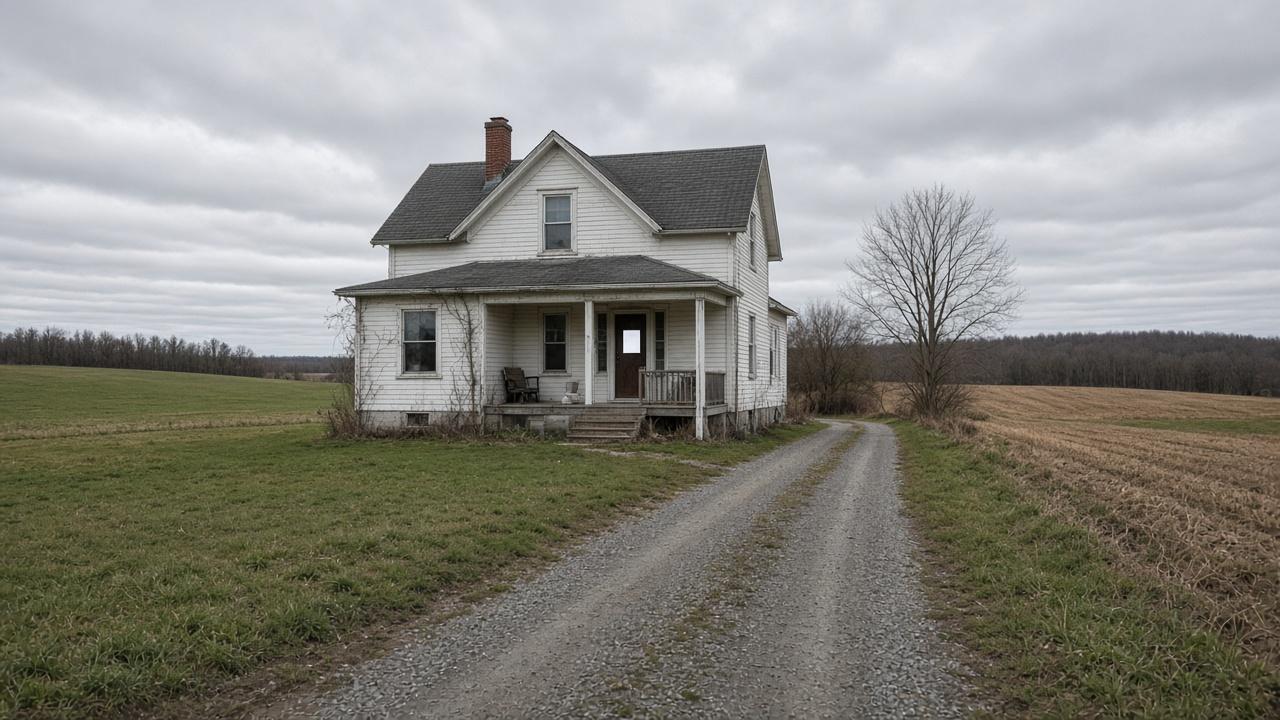
The house is down a gravel road. Fewer buyers will make the drive, and the ones who do often want a mortgage. The lender’s letters do not care how far the driveway is. Each month you wait is another payment, more interest, tax, heat, and a listing that may not find a financed buyer before the date in the notice.
In Ontario that pressure often becomes power of sale. In Alberta it is often foreclosure. They are not the same procedure. Do not use one province’s steps for the other, and do not treat a cash conversation as something that pauses the lender. Only a completed sale that pays what has to be paid, or whatever your lawyer says the letter still allows, changes that file.
This is general information, not legal advice. A lender’s letter and an estate are questions for your lawyer, not for a blog.
What a rural file adds
A thin buyer pool. A road that is hard in winter. A septic system, a well, a barn, or a shoreline. A cottage that is not a year-round house. An estate that cannot transfer yet. Two people who both have to sign and do not agree. Belongings nobody has sorted. A tenant. Any one of those can stall a listing. Several of them together make a financed sale a poor bet against a deadline.
We will not quote you a number of days a rural house “usually” sits, and we will not print a sample offer with a made-up price. The number is for this house, after someone has seen it or the photos, in writing.
The letter goes to a lawyer first
Read the dates and the amount with a lawyer before you plan a closing. A phone call with us does not extend a deadline. Bringing the mortgage current, talking to the lender, refinancing if anyone will lend, or selling yourself are the kinds of options people discuss. Which of them still exists on your letter is legal advice. We will not give you a timetable, and we will not tell you to ignore the notice.
If you sell, the mortgage, costs, and other charges that have to be paid come out of the price. If the offer will not clear them, we will say so. We will not promise leftover equity, and we will not promise that an offer by itself stops power of sale.
An inherited cottage or farm
Tax, insurance, and weather do not wait for the family to feel ready. If the heat is off, pipes and roofs get worse. If the estate cannot transfer yet, we cannot close as though it can. Your lawyer will say when the people who must sign are allowed to sign. Photos can start the pricing conversation earlier. Closing waits on the paper.
You do not have to repair a dock, a barn roof, or a camp road to ask what the place is worth to us. You do have to say what is wrong, who has keys, and whether anyone is using it. Proceeds of an estate go where the lawyer says they go. We do not distribute an inheritance.
When two owners do not agree
A rural house with two names on it does not sell because one person is tired. Both sign, unless a court order says otherwise. We do not take a side, and we do not negotiate the separation. One written number. Your lawyers handle the split. If someone is still living there, the agreement has to say so. We do not remove people.
Arguing about a new septic or new siding for a listing is often the delay. An as-is price skips that argument. It does not skip the signatures.
Repairs that get expensive in the country
A failed septic system, a barn that leaks, a well pump, a long driveway, and a contractor who has to travel are why rural quotes grow. There is no honest single price in a blog. Get a written estimate if you want to compare repairing and listing with selling now. Include the months of carrying costs while a crew tries to reach the property.
Do not start a dig or a roof you cannot finish. A half-open project on a vacant farm is harder to sell than the tired building you have.
A house full of belongings
Cabins and farmhouses collect decades of things. You do not have to empty them for an offer. Contents can be priced as a cleanout. Papers, photos, and anything the family wants should come out before closing if you can do that safely. Pests, a soft floor, or a leak under the piles should be said out loud. We can look from photos or a video if the drive is long. If we need to be there, we will say so.
A rental on a township road
Tenants make showings harder, and Ontario and Alberta do not use the same rules for ending a tenancy. Do not serve a homemade notice to make a listing photo. If they can stay, we can buy the tenancy with the house. Tell us the rent, whether it is current, and whether you have been refused access. Do not promise the place will be empty.
Winter
Snowbound listings stall because buyers will not come and you may not be able to hand the house over. A closing date has to be a day the road works. Tell us if the lane is private, seasonal, or plowed by someone else. Heat and water status matter more in January than the township’s name.
How to judge a cash buyer
- The offer is in writing, and the price does not change after a visit unless the agreement says why
- They buy the house themselves, or they say clearly that they do not
- They do not promise to pay your legal fees unless that is actually in the contract
- They do not tell you a sale will stop the lender without your lawyer
- They will say no if the price cannot clear the mortgage
- You still hire your own lawyer
Fairclose buys as principal. There is no listing commission from you. We do not pay your lawyer. You hire them. That is how you know the paper does what you think it does.
The notice, and which province
- The lender’s notices and the amounts they say are owing
- Who else is on title, and whether an estate is involved
- How the road works in winter
- Septic, well, heat, and anyone living there
- Photos or a video if getting there is hard
The lane, the well, and what is not included
A shared lane, a seasonal road, and a driveway someone else plows are part of the sale. Say which. A well you have not tested and a septic you have not pumped are unknown, not fine. Equipment, a boat, and livestock are not included unless the agreement lists them. A barn roof and a dock can stay tired. You do not have to rebuild them to ask for a number. You do have to say if the heat is off.
Fewer buyers will drive out, and many of the ones who do will want a mortgage the house may not get. That is not a reason to invent a short closing that stops a lender. A conversation does not. A completed sale that pays what must be paid can, if your lawyer says the letter still allows it. We do not pay your legal bill. We do not close before an estate is allowed to transfer. Photos can start the file when the drive is long. The date still has to be a day the road works.
We do not halt a lender
Call with the letter, earlier rather than after a sign is on the lawn. We will look at a remote house. The offer is written. You can refuse it. Closing is a date your lawyer says is still available and a date you can actually reach. There is no fee to ask.
Reachable on the day you name
A closing date that looks fine in the city can be a locked lane in January. Name who plows it, and say if that person will not be there. Heat, a well, and a septic you have not checked are part of the condition. An inherited farm still waits on the estate. We will not close around that, and we will not tell you an offer pauses the lender. Say if a tenant is on the property too.
Foreclosure is the wrong Ontario word
Does a cash offer stop power of sale? A conversation does not. A completed sale that pays the mortgage can, if your lawyer says your letter still allows the sale. Can you close before an estate is allowed to transfer? No. Can you sell a rural house as-is? Yes. What if the road is seasonal? Then the closing day has to be one you can use. We will not invent a two-week promise that ignores the snow.