Pest problems, without treating first
by Roy8 min read
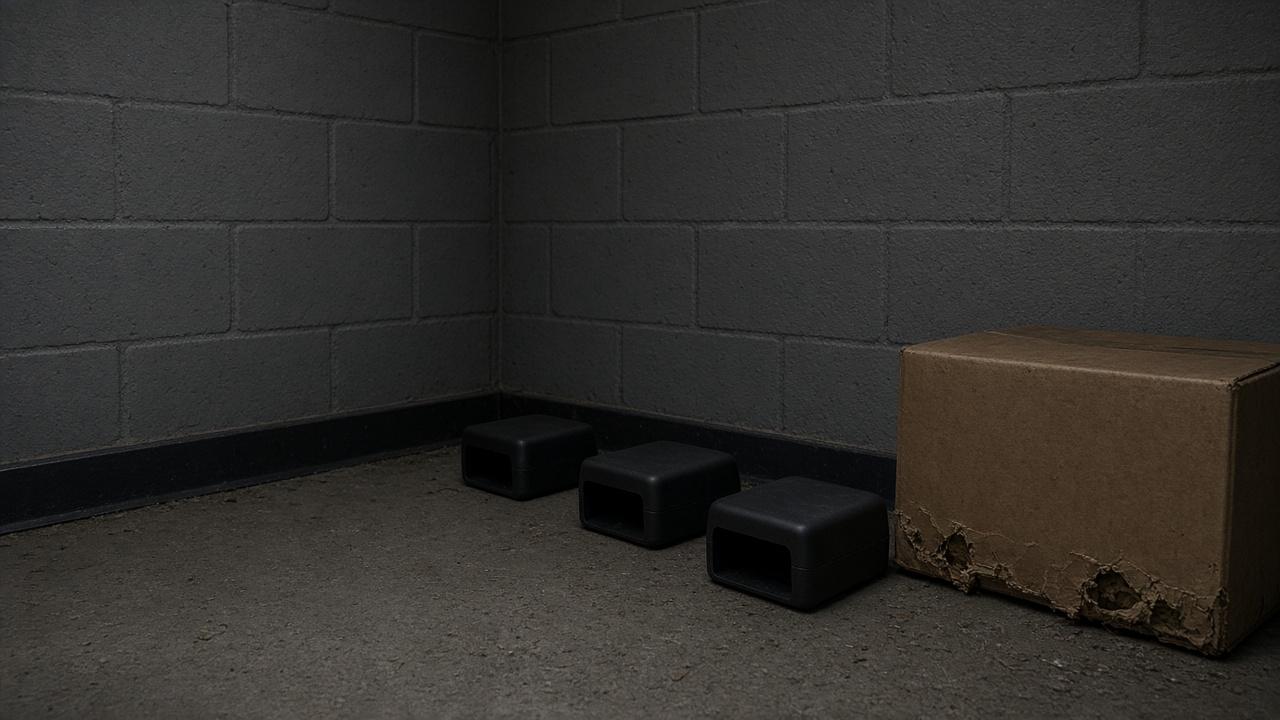
Mice in the attic, ants in the kitchen, cockroaches, wasps in a soffit, squirrels or raccoons overhead, or insects in the wood. The first instinct is to treat it before anyone is allowed to know. You can sell without finishing a treatment. You should not hide it, and you should not confuse a cash offer with a certificate that the house is clear.
This is general information, not pest-control or legal advice.
Why it spooks a sale
Buyers picture damage, a smell, and something still living in the wall. Even a small problem carries that stigma. A financed buyer may walk, and their inspector will look harder at the area you hoped was minor. That is why listings stall. It is not because a house with mice is unsellable. It is because the buyer you were hoping for does not want the job.
They are not one problem
Rodents in an older house, ants, cockroaches, wasps around the eaves, wood-destroying insects, and animals in the attic are different. Some are a nuisance. Some chew wiring or soak insulation. Some mean the wood itself may be affected. Wildlife in a roof is not the same phone call as ants on a counter. Say what you have seen, where, and for how long. If you do not know the species, describe it. Do not guess a clean bill of health.
Treatment is a choice
A visit from a pest company can be modest or it can be a large job, and the repair of what they chewed or nested in is extra. We will not print a price range and let you treat it as a quote. If you want that number, hire someone who does the work and get it in writing. Then compare it with an offer that takes the house as it is. If the treatment is cheap and it lets you list a house you want to list, do it. If you are only doing it out of embarrassment, you can skip it and disclose instead.
Stopping halfway is the awkward middle. Bait in the attic and a hole still open is not a treated house. Describe what was done and what was not.
As-is means you say it
You do not have to tent the house, trap the attic, or replace the insulation before you ask us. You do have to tell us. A buyer who finds droppings you denied will trust nothing else in the file, including the offer you already liked. If a city or health letter exists, bring it. We will not give you a speech on whether selling untreated is allowed in every case. If an order says to deal with it, your lawyer and the letter govern. The sale has to say who takes the remaining work.
Damage behind the pests
The animals are sometimes the clue, not the whole repair. Chewed wiring, a wet nest, ruined insulation, a soft board, or an entry hole the size of a fist changes the price more than the insects do. If you have opened a wall, say so. If you have not, the offer has to allow for what is unseen. We will not pretend a walk-through is a pest inspection.
Three paths
Treat and repair, then list. Treat and still disclose the history, because a past problem is part of the truth. Or sell without treatment to someone who prices the risk. The third path is the one that does not require you to manage a contractor. It is usually the lower price. It is the right comparison when the treatment quote is the reason you have done nothing for a year.
What you have actually seen
- The address and what you have seen
- Where: kitchen, basement, attic, walls, or yard
- Any treatment already done, and any report
- Damage you know about
- A city or health letter, if one exists
- Who else must sign
Living there while you decide
If you are in the house, you do not have to camp with a problem you hate in order to sell it. You also should not fog rooms, seal vents, or store poison where people or pets can reach it because a blog made treatment sound mandatory. Hire someone if you want it handled. If you will not, disclose it and sell. Keep food practices and entry holes in mind so it does not get worse while the offer is being read. That is ordinary care, not a renovation.
An insurer who asks about pests or wood damage should hear the truth. A claim later, on a problem you papered over, is a bad surprise. If they already cancelled or limited the policy, say that too. It changes the risk in the offer.
Treat, list it anyway, or stop
A full treatment can take more than one visit, and it does not come with a promise the problem is gone. Damage the animals already did is a separate invoice. Listing without treatment saves that invoice and still asks you to host buyers who will negotiate, send an inspector, and sometimes leave. A cash sale skips the treatment and the buyer’s bank. The price should be lower. Compare it with your own carrying cost while you wait: mortgage, tax, heat, and insurance. We will not print a sample month or a stretch of days for any of the three paths.
Known problems should be said in the sale. Your lawyer tells you what the contract in your province requires. Hiding droppings to keep a retail buyer calm is how the deal dies later, in Ontario or in Alberta. A past treatment belongs in the story too. “We had someone in last spring. We have seen them again.” is more useful than a certificate you do not have. If an order already tells you to deal with it, the letter governs. The agreement has to say who finishes the remaining work.
While you are still in the house
Every month you hold a problem you hate, the bills continue and the entry hole does not close itself. That is the cost of waiting for a buyer who wants a clear house. It is not a reason to fog rooms, block vents, or leave poison where a child or a pet can reach it. Hire a person who does the work if you want it handled. If you will not, disclose it. Keep ordinary care so it does not spread while you read an offer. An insurer who asks should hear the same version. A later claim on a problem you papered over is a worse surprise than a lower price.
Wood-destroying insects and a raccoon in the attic are not a kitchen ant. One may mean the structure. The other may mean insulation and wiring. If you do not know which you have, describe what you saw and where. Do not upgrade the sentence into a clean bill, and do not downgrade a soft board into “just mice.”
Treatment is not the toll
We buy houses with pest problems in Ontario and Alberta. You do not have to finish a treatment to get a number. There is no listing commission from you. The offer is in writing and assumes the problem you described. Your lawyer reads it. You can refuse it. We will not promise the house will be vacant of animals on a date, and we will not pay your legal bill. If a second look shows damage the photos hid, the number is discussed before you sign.
After you move
Once the house is sold, the next owner takes the condition in the agreement. You are not on call to keep trapping. You are also not free of what you misstated. If you said the attic was clear and it was not, that is a problem for the file your lawyer already closed. Say the uncertain parts in uncertain words. “We have seen droppings. We have not opened the wall.” is a better sentence than a promise.
A discount is not an insult
Buyers who can choose will pay less, or they will leave. Someone who prices this kind of house may treat the same problem as the job. The impact depends on what is living there and what it has already ruined, not on a percentage we can print. Shame is a reason people hide it. It is a poor pricing rule. Send the photos. If tenants are in the house, say so, and do not serve a notice you found online. The rules are not the same in Ontario and Alberta.
Disclosure, not a clean certificate
Can you sell without treating? Often, yes, if you disclose and no order says otherwise. Will the price match a house with no history? No. Should you tell a retail buyer? Yes. Hiding it is how deals die. What if you are ashamed of it? The house is a building. Send the photos. What about tenants? Tell us they are there. Do not serve a homemade notice. The tenancy rules are not the same in Ontario and Alberta, and they are not a pest-control tip.