Major plumbing, without the repair bill
by Roy8 min read
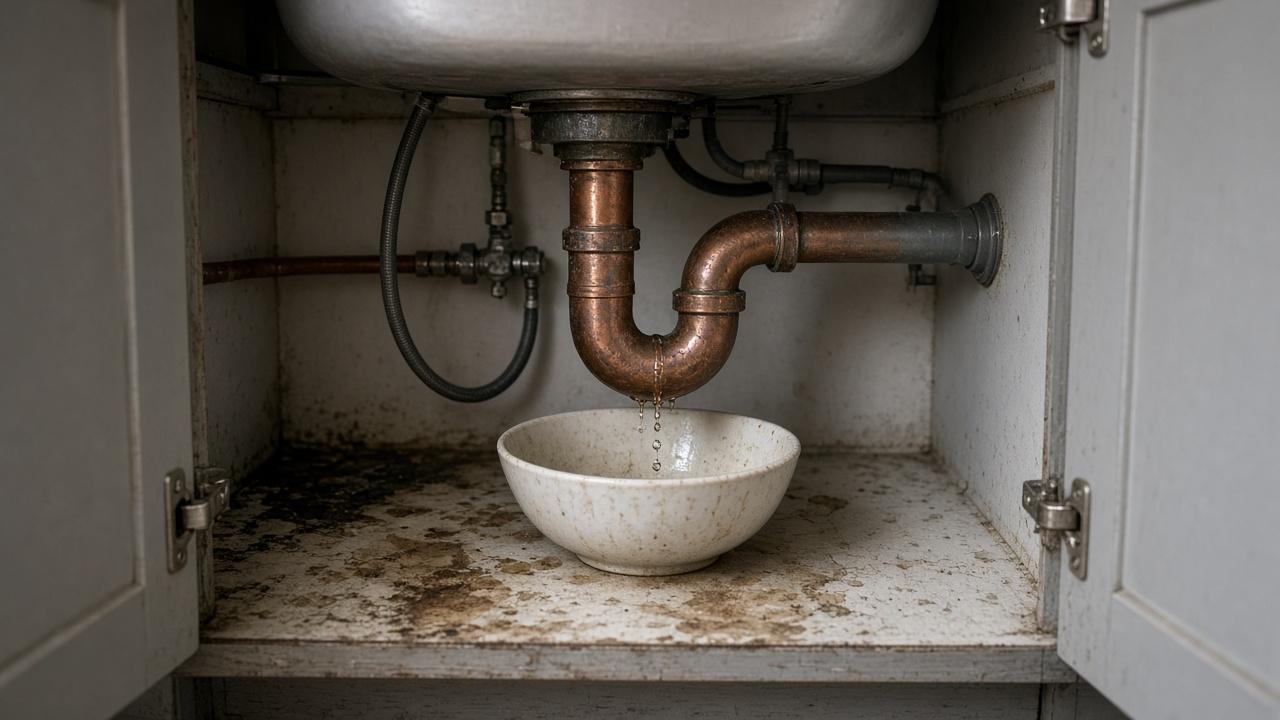
Water comes through a ceiling. A sewer backs into the basement. A pipe lets go behind a finished wall. Then you have a plumber, a cleanup, an insurance question, and a house that is harder to show.
You can sell with major plumbing problems in Ontario. You do not always have to repair them first. Fixing and listing can be right. Listing as it is can be right. Selling to a cash buyer can be right. It depends on the failure, how certain the quote is, the date, and whether you want to live through the work.
This is general information, not legal or financial advice. Your lawyer, your lender, and a qualified tradesperson are the people who can speak to your file.
What counts as major
A dripping tap, a slow drain, or a running toilet is usually a small job. Major means the problem can affect safety, the structure, insurance, a mortgage, or whether the house can be used.
- A collapsed sewer line, or backups that keep returning
- A burst or frozen line
- Polybutylene, galvanized supply, or a lead service
- A hidden leak, a broken stack, or a main line that is failing
- Plumbing done without a permit
- A failed septic system
- Water damage already in the walls
Why buyers get nervous
One stain makes people wonder what else is wet: rot, mould, flooring, cabinets, insulation, or wiring. They will ask how long it leaked, whether the source was found, whether the insurer will cover the next owner, and whether a lender will fund the house.
The cause matters. A pipe that froze once is a different repair from a sewer that has failed three times. Buyers assume the worst when nobody can say which it is.
| Problem | What they worry about | What it does to a listing |
|---|---|---|
| Small active leak | A repair and a stain | Often manageable if it is stopped |
| Burst pipe with damage | How far the water went | Offers drop or come with conditions |
| Sewer backup | Health, smell, and cleanup | Inspections and insurance get harder |
| Collapsed sewer | A dig, not a visit | A large price cut, or no mortgage |
| Galvanized or poly-B | The rest of the pipe, not the patch | They ask for a repipe |
| Failed septic | Whether the lot can even take a new system | Financing often stops |
| Hidden water damage | Mould and what is behind the paint | The inspection reopens the deal |
| Repeated flooding | It will happen again | Insurers may refuse the next owner |
Yes, you can sell it
Ontario houses with bad plumbing sell. The agreement has to describe the house you have, not the house you wish you had. You can repair first, list it disclosed, or sell as-is to someone who does the work after closing.
A repaired house can bring a higher offer and a longer wait, plus the money you spent up front. An as-is sale is a lower headline and fewer months of carrying the leak.
Should you fix it first?
Ask this before you approve a major job. How much is the quote, and what is not in it? What happens if they open the wall and find more? Do you have the money, and can you stay in the house? Will permits be required? Will the higher sale price actually cover the work, or only the hope of it? Do you need to be gone in weeks?
There is no single plumbing price. A short section of pipe is not a main sewer, a whole-house repipe, a septic replacement, or a restoration after a backup. Access, materials, and how much of the finish has to come off change the bill. Get a written quote for this house.
The risk of starting and stopping
A plumber opens a wall and finds mould, rotten framing, wet insulation, corroded wiring, or old work that was never done properly. Now you have an unfinished project and a larger bill. A half-open bathroom is harder to sell than a leaking one that is still intact.
If the budget is tight, get the estimate before anyone cuts. Ask what would change the final price. If you cannot finish, do not start.
What as-is means
The buyer takes the house in its current condition, on the terms in the agreement. It does not mean you hide a backup. It does mean you may not replace the pipes, patch the drywall, rebuild the room, or live in a construction site before closing.
People choose it when they would rather take a price that includes the work than spend money they may not get back.
| Piece of the sale | A typical listing | A cash sale |
|---|---|---|
| The plumbing | Often they expect it fixed | Priced in, left as it is |
| An inspection | Common, and it reopens price | We look, and the offer is the offer |
| A mortgage | The usual condition | No buyer’s bank |
| Showings | Many | Usually one visit |
| How long | Months, if it sells | A date you pick once title can move |
| The buyer walking | Financing and insurance can kill it | That risk is not in the file |
What to tell a buyer
Say what caused it, if you know. Say how far the water went: drywall, floors, cabinets, insulation, the electrical, the structure. Say what was already repaired, whether a permit was pulled, and whether a claim is open, paid, or refused.
Do not guess. “The plumber wrote this” is better than “it only needs a small repair.” Your lawyer should look at what this sale has to disclose.
Insurance and the mortgage
Call the insurer before you tear out walls if a claim is open. An active leak, a repeated sewer backup, or a house that cannot get a policy will stop many lenders even when the buyer is willing. A financing condition can burn weeks and then die. A cash sale does not wait on that buyer’s bank.
Particular failures
After a burst pipe, shut the water off, photograph the damage, and keep people out of a ceiling that is sagging. You do not have to rebuild the room to ask for an offer.
A sewer line is a dig, a camera, and sometimes a city permit. Repeated backups are a health problem, not a smell you can list around. Say whether it is the line under the yard or a stack inside the house.
Galvanized supply and a lead service are known materials with a known end. Polybutylene has a reputation for letting go. You do not have to repipe before a cash sale. You do have to say what is in the house if you know.
If the “plumbing” is actually a failed septic system, that is a tank, a bed, and a lot question, not a faucet. If water has already grown mould, say so. We buy that too. You do not have to complete a restoration scope first.
The cost of waiting
Every month the house sits, you still pay the mortgage, tax, insurance, and heat, and the leak can get worse. Compare the net of repairing and listing with the net of selling now. Include the work, the patching, the months, and the chance the next buyer’s lender says no. We will not print a sample dollar story and pretend it is yours.
A short way to choose
- If you can pay for a clear repair and you have time, listing after the work can make sense
- If you need to sell in weeks, do not start a renovation
- If the problem can block a mortgage or an insurance policy, a financed buyer is a gamble
- If you do not want to manage contractors, price the plumbing into the sale
What to gather
- Photos before anyone cleans up
- Plumber’s notes, camera reports, and written estimates
- Permit records, if any exist
- Insurance letters
- Whether the water is on, and whether anyone is living there
Ask a cash buyer whether the offer assumes the plumbing is failed, what happens if the water is off, and whether an open claim changes the date. Ask a contractor what the quote leaves out. A number that was only spoken is not the offer.
Leave the stack alone
We buy houses with old plumbing, active leaks that have been stopped, sewer problems, and unfinished repairs. Send photos of the worst of it. You do not have to open the walls first. Your lawyer reviews the agreement, and you pick the closing date once title can move.
Leaks, sewage, and a price
Can you sell with an active leak? Stop the water. You do not have to rebuild the room. Do you have to replace old pipes first? Not for a cash sale. Will a sewer problem stop a sale? It stops many mortgages. It does not have to stop a cash sale.
Can you sell if the water is shut off? Yes. Tell us. Should you file a claim first? Ask the insurer and your lawyer. Closing a claim by abandoning the repairs is not the same as finishing them. Will we buy a house with mould from a leak? Yes. Can you leave damaged material? Yes, if the offer says the house is taken as it sits.