A house you no longer live in
by Roy8 min read
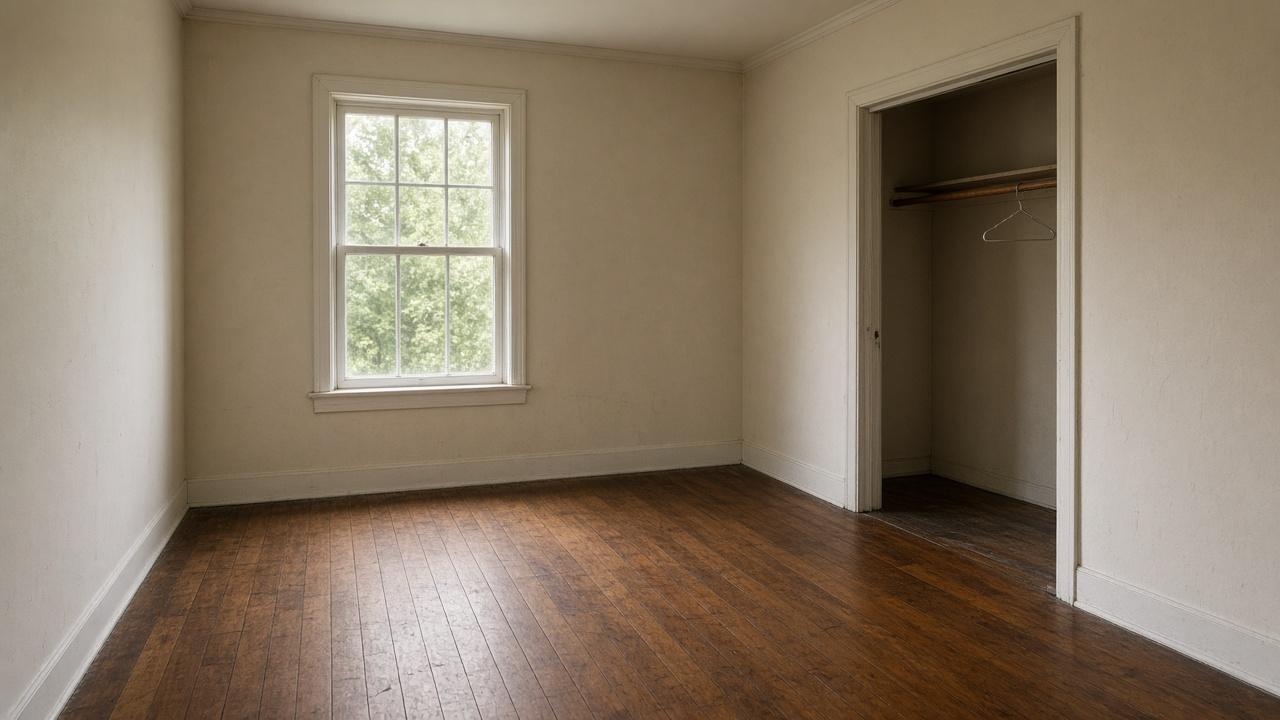
You moved for work, you inherited it, you bought another place, or the household split. The old house is still yours. It looks harmless from a distance. It is not harmless. Tax, insurance, heat, and small failures keep running whether or not anyone sleeps there.
You have four real choices: keep it on purpose, rent it, fix it, or sell it. Only one of those is a cash sale. The others are fine when you mean them. They are expensive when you are only postponing a decision.
This is general information, not legal, insurance, or repair advice. Your lawyer, your insurer, and a qualified contractor are the people who can speak to your file.
Why later gets worse
An empty house hides leaks. Mail piles up. A neighbour eventually writes the city about the yard. The insurer may not cover a vacant building the way they cover a home you live in, and a claim can be denied if you never told them you left. Heat that is left off in an Ontario or Alberta winter is how pipes become a renovation. None of that waits for you to feel ready.
Add up your own mortgage, tax, insurance, utilities, and the upkeep you are actually paying. We will not print someone else’s monthly budget and call it yours. If that total is money you would rather not spend on a house you do not use, the rest of this page is about ending it.
Keeping it on purpose
Hold it if a parent might move in, if you are posted away for a known stretch and you are coming back, or if the cost is one you can pay without resentment. Keeping it still means someone checks it, the insurance matches the vacancy, and the heat or the winterizing is real. A plan you have not funded is not a plan. It is storage you are paying a mortgage on.
Renting it
Rent can cover some of the bills. It also makes you a landlord. You will deal with repairs, vacancies, and rules that are not the same in Ontario and Alberta. A lease does not end because you later decide to sell. If you do not want calls about a furnace, do not start a tenancy to avoid a decision. Read the landlord page on this site before you advertise the place. This one is about a house that is already empty of you.
Fixing it first
A renovation can raise what a retail buyer will pay, if you finish it and then list. It asks for cash, a contractor, and access you may not have if you live in another city. Half a renovation, done from a distance, is how empty houses get worse. Get the scope before you commit. If the scope is the reason you have been stuck, skip it and sell the house that exists.
Selling it as it is
You can list it from another city if someone local can show it and the house is presentable. You will still manage photos, offers, and a buyer’s financing from far away. Or you can sell to a cash buyer who needs one visit, not a season of showings. The second price is usually lower. It removes the commission, the repair list, and the weekends you would have spent driving back.
Distance is not a bar. Title is. Everyone on the deed has to sign. If this is an estate, your lawyer will say when the estate is allowed to transfer. Clutter and old furniture do not replace that step.
Insurance, heat, and keys
Tell the insurer the house is vacant, and ask what they require. Some policies limit how long a house can sit empty. Some want it checked on a schedule. Running the old policy in silence is how people discover, after a loss, that they were not covered. If you are keeping it through a winter, either heat it properly or have it winterized by someone who does that work. Turning the thermostat down and hoping is not winterizing.
Know who has keys. A relative, a former tenant, or a neighbour with a spare is an access problem on closing day. Change nothing dangerous yourself if the house is already in bad shape. Do tell us if the locks were changed and you cannot get in.
What the empty months are buying
People wait because they might move back, because a sibling has not agreed, or because selling feels like admitting the move is permanent. Those are real reasons. They have a price, and the price is the carrying cost plus whatever the building loses while it sits. Write the reason down. If it is still true in six months, keeping it may be right. If the reason is only that you have not wanted to deal with it, the house is already deciding for you.
A listing from far away
Showings need a person. Inspections need a person. A buyer who wants a repair credit will want an answer while you are at work in another province. That can be done, and realtors do it. It is a poor fit when the house also needs work, the yard is a complaint, or you cannot leave your job to meet a lawyer in the old city. Ask your lawyer what they can sign remotely and what they need in person. Do not assume a cash sale removes the lawyer. It removes the showings.
Empty, insured, and whose keys
- The address and how long it has been empty
- Whether heat, water, and insurance are on
- Who has keys, and whether you can get in
- Anyone else on title, or an estate that is not finished
- City letters, tenants, or a mortgage you are unsure will clear
- The date you would like, without treating it as a promise
Belongings you are not coming back for
Furniture left behind is fine if the agreement says it stays. Family photos, papers, and anything another owner might claim are not. Take those before closing, or agree in writing who is allowed to retrieve them. We will not sort an estate by guessing. If the house is full because you left in a hurry, that is a condition, not a character flaw. Say whether a truck can get in and whether anything hazardous, like old paint or a leaking oil tank, is in the garage. Those details change the offer more than the couch does.
Money still attached to the house
A mortgage on a house you left does not shrink because you left. If the balance is close to what the house would sell for, say so before anyone drafts an offer. Tax arrears and a lien are paid from the sale when the price covers them, in the order your lawyer follows. If the price will not cover them, you need that sentence early. An empty house with a shortfall is not solved by waiting another winter.
Utilities in a relative’s name, a line of credit secured on the house, or a city bill sent to the old address all belong in the same pile. Closing is when those get found if you did not mention them. Mention them.
You do not have to move back
We buy houses the owner has already left, in Ontario and Alberta. You do not have to move back in, stage it, or renovate it to get an offer. There is no listing commission from you. The offer is in writing. Your lawyer handles the transfer, including whatever remote signing they can actually do. You can refuse the number. If a sibling will not sign, or probate is not done, we will not pretend a closing date fixes that. There is no fee to ask, and we do not pay your legal bill.
Someone has to be able to open it
If you are keeping the house even one more season, someone has to look in, the insurance has to know it is empty, and the heat or the winterizing has to be real. A relative with a spare key is helpful until they are away on closing morning. Name one person who can open the door. Mail sent to the old address, a utility in someone else’s name, and a tax bill you have not forwarded all show up at the lawyer’s office. Mention them. If you might move back, do not sell. A sale is final once it closes. Renting it for a year only makes sense if you want to be a landlord for that year. A lease does not end because you later change your mind.
Distance is not the obstacle
Can you sell a house you do not live in? Yes, if the people who must sign can sign. Do you have to empty it? No. What if you might want it later? Then do not sell it. A sale is final once it closes. Should you rent it for a year first? Only if you want to be a landlord for that year. How fast can it close? When title, access, and your lawyer allow it. We will not print a number of days. What if the insurance has already lapsed? Say so before the offer assumes the house is covered.