When the maintenance is too much
by Roy8 min read
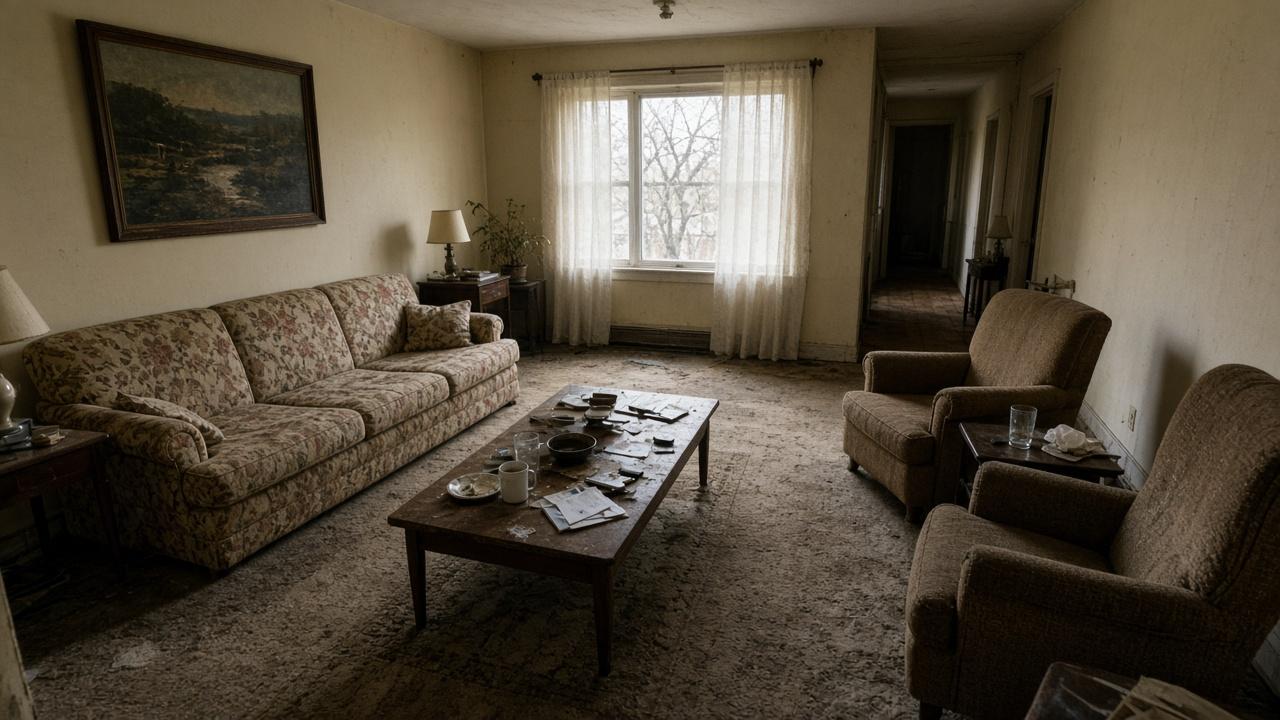
Mowing, gutters, and a room of paint start out small. Then the list is the roof, the eaves, the furnace noise, the deck, and a yard that got away. You are spending weekends on the house instead of living in it.
That is a normal reason to sell. You do not have to fund a renovation so a listing can start in the spring. You also do not have to decide from one bad Saturday. The question is whether the house still fits your time, your body, and your money.
This is general information, not legal advice. Your lawyer is the person who can speak to your file.
When the list is too much
People have different tolerance for upkeep. It has tipped when you worry about the next repair, the jobs pile up faster than you finish them, you delay work because of the cost, weekends disappear into the house, the work is getting physically hard, or a bill keeps you up.
One yes is a season. Several yeses are a pattern.
The cost that does not show up as one bill
The mortgage and the tax are the numbers people know. Maintenance is the quiet one: roof patches, a furnace service, a plumbing call, an electrical visit, lawn, snow, paint, and appliances. None of them looks like the mortgage. Together they are a second payment, and a house that has been let go costs more the longer you wait.
Get a quote for the items you are tempted to do. Do not budget them from a number you saw online.
It is not only money
Exhaustion, lost weekends, a trip you keep postponing, and a fight about which repair comes first are part of the cost. A house can be affordable on paper and still be the thing that runs your week. Anxiety every time something breaks is a reason to look at selling, not a character flaw.
The repairs that chain together
A few missing shingles can be a soft deck, then wet insulation, then a ceiling. An old supply line becomes a series of calls. A crack can mean water, a floor that is no longer level, and doors that stick. A furnace that fails every winter is often more expensive to keep patching than to replace, and the outside of the house, the deck, the windows, and the drive all want attention in the same year.
| What you are living with | How it feels | Where it usually goes |
|---|---|---|
| Ordinary yearly upkeep | Manageable | You keep the house |
| Several repairs a year | The cost is climbing | You start postponing |
| Frequent major repairs | Real pressure | Savings go to the house |
| A list you have stopped touching | The house is running you | Buyers will price the delay |
Why the list sits
Savings are thin. The calendar is full. Health or a retirement income will not fund a contractor. You are afraid the quote will grow once they open a wall. Or you cannot find someone you trust. All of that is understandable. The leak does not care.
Three ways to handle it
Keep maintaining it, and keep paying, if the list is ordinary and you want to stay. Renovate and then list, if you can pay for the work and the extra buyers are worth the wait. Or sell as-is and stop. Paint and a cleaned yard can help a listing. A roof, windows, and a furnace done only to sell often cost more than buyers give back.
Separate tired from unsafe. A soft step, a rail that moves, or a furnace that will not light is different from dated carpet. Block off or fix what can hurt someone. Leave the rest.
| Piece of the sale | A typical listing | A cash sale |
|---|---|---|
| The repair list | Often they expect the big items done | Priced in, left as it is |
| Showings | The house has to be ready, more than once | Usually one visit |
| A mortgage | The usual condition | No buyer’s bank |
| Your weekends | Still spent getting it ready | You stop |
Who usually reaches this point
People who have retired. People whose job already takes the week. People whose children have moved and the house is too much house. People whose health has changed. People who are already carrying another property. The decision is allowed. It is not a verdict on how you kept the place.
You can sell without finishing the list
Known leaks, systems that do not work, city letters, and repairs you started and stopped should be said out loud. An inspector will write the rest down, and a financed buyer may ask for credits. You do not have to paint, and you do not have to empty the house, for a cash sale.
Buyers will ask what failed, what you delayed, and whether anyone has ordered you to fix something. Answer from what you know. Do not guess the furnace is fine.
If you decide to sell
Get more than one view of the number if you want them: a realtor’s estimate and a cash offer. Gather tax bills, insurance, any quotes, and permit papers. Decide whether you are optimizing for price or for being done. Closing costs and a mortgage payout belong with your lawyer and your lender, not in a hopeful headline.
Whether the repair pays for itself
Before you book the big job, ask whether it will change the sale enough to be worth the weeks and the invoice. A roof, foundation work, a heating system, a re-pipe, a rewire, and a full set of windows are the jobs that swallow a season. Paint and a cleaned yard are not in that group. If you cannot comfortably pay, if opening a wall may reveal more, or if there is a way to sell without the work, get a cash number first. A quote you start and cannot finish leaves the house harder to sell than the original list.
Buyers still ask how old the roof is, whether the foundation was repaired, what the plumbing has done, whether there was an insurance claim, and whether anything structural is known. Answer from what you know. “I have not looked” is honest. “It is fine” is not, if you have not turned the system on this year. A claim that was repaired belongs in that answer. An open leak belongs in it too.
When you already feel finished
You may be ready when leaving sounds like relief, when you avoid the unfinished room, and when every new drip becomes an argument. That feeling is not a spreadsheet. Put it beside the cost of staying: mortgage, tax, insurance, heat, and the maintenance you actually hire out. Do not borrow a sample month from a blog. If that real total is money you would rather spend on travel, family, or a smaller place, the house is the candidate. If you still like the street and the list is one job, keep it.
The usual reasons the list wins are retirement, a job that already takes the week, an empty second floor, a body that no longer wants the ladder, or another property you are also maintaining. None of those is a failure of housekeeping. Snow, gutters, and a deck that needs staining come back every year. You are allowed to be done with the cycle. If a spouse wants the house kept, that conversation happens before an offer. Both names on title have to sign.
What changes if you stop
A sale can mean fewer bills, weekends that are not assigned to the house, and a trip that does not start with finding someone to shovel. It can also mean leaving a place you kept for decades. Compare a listing that still expects the big items with a cash sale that prices them in and usually needs one visit. There is no listing commission from you on that path. There is still your lawyer, and we do not pay that bill. We will not print a number of days. If one repair would obviously change our number, we will say so before you spend the money.
If you are already listed, read that agreement before you sign anywhere else. Photos of the embarrassing parts are more useful than a promise that the house is “mostly fine.” Most of a long list does not move the number. The item that is unsafe, or the one a city has already written about, does.
Hand over the unfinished list
Send the address and photos of what embarrasses you. Most of a long maintenance list does not change our number in a way that matters. If one repair obviously would, we will say so. The offer assumes the list stays with the house. There is no listing commission from you.
If you still want the house
Is selling because of maintenance a bad financial decision? Not if the net of staying, repairing, and listing is worse than selling now. Can you sell a house that needs major work? Yes. Do you have to clean everything? No. Will buyers expect a lower price? The price should reflect the condition. That is the point of an as-is sale, not a surprise after you thought you had a deal.