Foundation trouble in Woodstock
by Roy8 min read
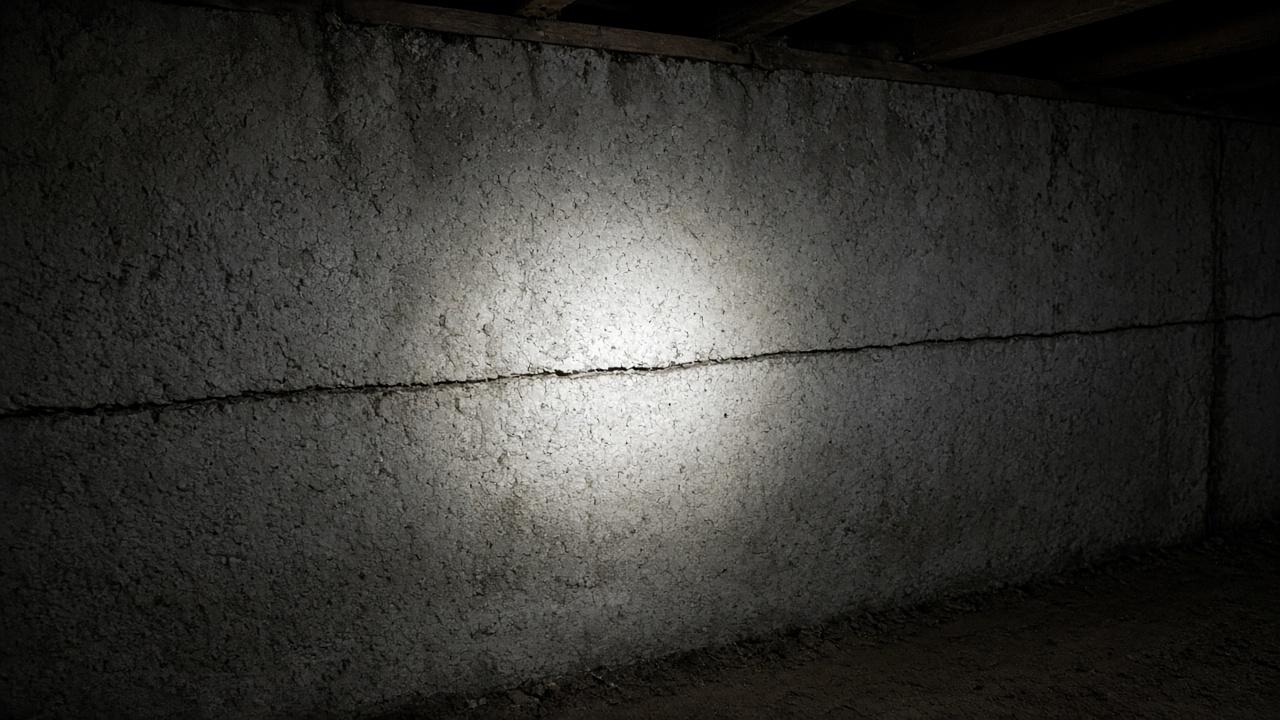
A crack in a Woodstock basement can sit there for years. Then a buyer sees it on a showing and the whole appointment becomes the crack. Is it moving. Is water coming in. Is the house settling. What would a repair cost. You can still sell. You do not have to guess the engineering, and you do not have to fund a repair before you know whether the repair is the right use of the money.
This is general information, not an engineering opinion.
A crack is not a diagnosis
Foundations crack for ordinary settlement, shrinkage, water pressure, poor drainage, soil movement, freeze and thaw, a wall that is tired, digging next door, roots, or a load the house was not built to carry. The location, the direction, the width, whether it has grown, and whether it is wet all matter. A thin vertical crack in poured concrete is not the same thing as a wall bowing into the room. Guessing is how people either panic-spend or hide a problem that a walk-through will find anyway.
| What you see | What it can be | What helps us |
|---|---|---|
| Hairline in poured concrete | Shrinkage or old settlement | A photo, and whether it grew |
| Small vertical crack | Settlement, sometimes a water path | Whether it is damp |
| Water at the crack | Moisture, not just concrete | Where the water shows up |
| Wide horizontal crack | Stress in the wall | A report, if you have one |
| Wall bowing inward | Movement | Photos of the whole wall |
| Stair-step in block | Movement in the masonry | The full run of the steps |
| Sloping or sinking floor | Settlement or a tired beam | Which rooms |
| Flooding that returns | Drainage and the wall together | How often it happens |
A buyer may react to any line on the wall because they cannot tell these apart. Information lowers the panic. It does not turn a moving wall into a hairline.
Look at the water before you blame only the wall
Sometimes the first problem is outside. Grading that sends rain at the house, a downspout that dumps beside the foundation, a blocked drain, or a sump that quit. That does not mean the wall is fine. It means a quote to excavate may be answering the wrong question, and a quote that ignores the water will not hold. We are not going to give you a drainage recipe. We are going to ask whether the basement is wet, and how often.
Woodstock listings and this crack
On a showing, the crack becomes the conversation. The inspector writes it up. The buyer asks for a repair or a discount that swallows the reason you listed. Lenders get cautious when the report says movement. You can still list a Woodstock house with a foundation issue if you price it as the house it is and you can tolerate that loop. Many owners do that once, then call someone who will buy the crack with the house.
Repair, opinion, or sell
A specialist’s letter can be worth it if you are choosing between a large repair and a sale. It is a poor use of money if you already know you will not do the work and you only want a number. We will not print a dollar range from two thousand to forty thousand. Those are someone else’s guesses. Get a scope if you might repair. Compare it with a cash offer if you might not. Starting the dig and stopping leaves a hole and a harder listing.
As-is in this city
Selling as-is means you are not promising a straightened wall. It does not mean you paint the crack and hope the photos are dark. Tell us about seepage, a previous patch, a bow, and any letter from the city. An unsafe order does not disappear because the buyer is local. The agreement has to say who takes what remains.
The wall, the water, the photos
- The Woodstock address
- Photos of the crack or the wall, taken safely
- Whether water comes in, and how often
- Any report or old repair
- Whether anyone is living there
- Who else must sign
Winter, the old patch, and the neighbour’s story
Freeze and thaw in this part of Ontario make some cracks look new every spring. A patch from a previous owner can hide a line that has opened again. If you know the wall was repaired, say when and whether it held. A storey you heard about a house on the next block is not your diagnosis. Send your photos. If the basement is finished, say whether anyone has looked behind the panelling. A dry finished wall can still be a wet foundation.
You can keep living there while you decide, as long as nobody has told you the structure is unsafe. Do not agree to a closing that assumes you have already moved if you have not found the next place. The crack does not require you to leave this week. It does require an honest price.
Three quotes, and a permit question
One contractor calls it a patch. Another wants to dig. A third wants an engineer. Do not take the cheapest sentence. Ask what caused it, whether it is still moving, whether water is involved, what the estimate includes, and whether the city requires a permit. Structural work, waterproofing, and drainage can be more than a tube of filler, and a repair that opens a permit problem is a harder sale than the crack. We will not read Woodstock’s permit list for you. Ask the city or the contractor, and get the scope in writing.
The work can grow: excavation, the yard, the walk, drywall, and a floor. That chain is why a crack becomes a renovation. Repair first when the cause is clear, you can pay, the rest of the house is listable, and a warranty or a report will matter to the next buyer. Sell as it is when the foundation is one item on a longer list, you inherited the house, you are leaving, or you do not want to manage the dig. Covering the wall with new drywall does not stop movement, and it can become a legal problem if you knew.
Older walls and new grading
Woodstock has older houses with block or stone, old drainage, and finished basements that hide the wall, and newer houses whose problem is grading and water. Age is not the diagnosis. Condition is. A lender or an insurer may still hesitate at movement, standing water, or a repair that was started and stopped. That is why some financed deals die after the inspection. A cash sale does not need that approval. It does need the truth, and it does not need you to produce an engineer’s report unless you already have one and want us to read it.
The crack can stay
We buy Woodstock houses with foundation problems. You do not have to pin, waterproof, or mud the crack to get an offer. There is no listing commission from you and no buyer’s bank. The offer is in writing. Your lawyer reads it. You can refuse it. If the wall is worse than the photos, we say so before you sign. There is no fee to ask, no promised number of days, and we do not pay your legal bill.
The rest of the house
A foundation conversation should not hide a roof, a panel, or a kitchen you also will not touch. Price the whole Woodstock house. If the only issue is the crack and everything else is ordinary, say that too. Owners sometimes describe the worst corner and forget to say the rest is livable. Both facts belong in the offer. If you are in the middle of a listing that has already scared two buyers off this wall, tell us what they asked for. That history is useful. It is not a reason to keep paying for showings that end in the basement.
Information if you are not repairing
Buyers fear a crack more when nobody can say whether it is moving. If you are not fixing it, a photo, an old invoice, or a contractor’s note still helps. “It has always been there” is not that note. Do not finish the basement over a wet wall to make the showing easier. If you are listing, clear enough that someone can see the wall. If you are selling to us, send the photos and say how often the water comes. Either path starts with the same honesty.
A hairline is not a bow
Is every crack a failing house? No. Is a bowing wall a hairline? No. Can you sell without repairing? Yes, with disclosure, if title can move. Should you get an engineer? If you are deciding whether to fund a repair, yes. If you only want an as-is number, send the photos. Will a financed buyer take it? Sometimes, and often they will not once the report is written. Is the offer the cheque? No.