A fire-damaged house, without the repairs
by Roy8 min read
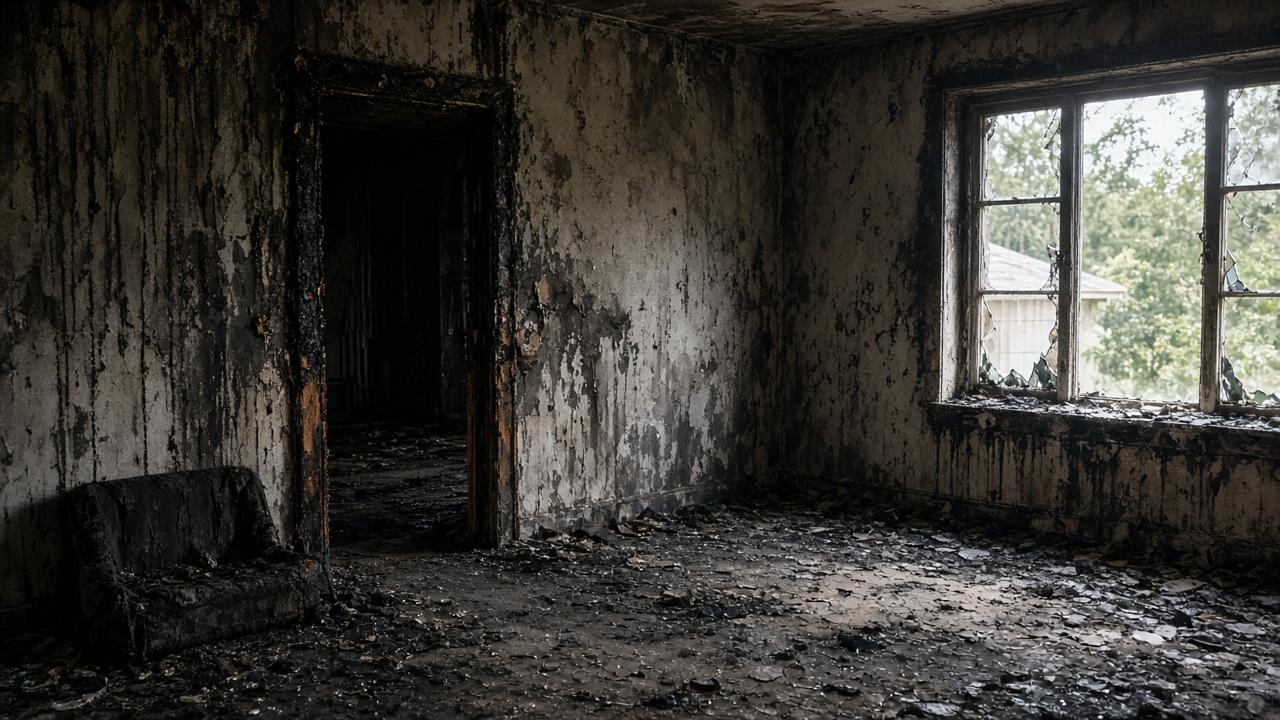
A fire leaves the structure, the smoke, the water the firefighters used, and a stack of decisions while you are living somewhere else. Rebuilding is one answer. Selling the house as it is, without pretending you will renovate it, is another. You do not have to finish a reconstruction to find out what a buyer will pay.
Do not treat this page as a reason to walk back into an unsafe building. If the fire department or the city has limited entry, follow that.
This is general information, not legal, insurance, or construction advice.
What you are actually selling
Fire damage is rarely one thing. Framing can be charred. Smoke can be in every soft surface, including rooms the flames never reached. Water from putting the fire out soaks insulation and drywall. The electrical system and the plumbing may be unfit to use. Permits and an inspection sit on the rebuild path. A buyer who needs a mortgage often cannot get one until that path is finished. That is why the listing that would have worked last year now sits.
Severity matters more than a slogan. A contained kitchen fire that is already cleaned is a different house from a total loss with an open roof. Say which one you have.
The repair bill is a choice, not a toll
Smoke cleaning, structure, electrical, and water damage are separate scopes. They can be large. We will not print a dollar range from someone else’s fire and call it your quote. Get a written scope from people who do this work if you are considering a rebuild. Then compare that scope, and the months of carrying an empty shell, with an offer that accepts the damage.
Many owners stop in the middle because the second invoice is the one they cannot pay. An opened, half-rebuilt house is harder to sell to a retail buyer than the house you had the week after the fire. If you cannot see the end of the scope, do not start it for photos.
Three paths
Rebuild and then live there or list it. That can make sense when the insurance actually funds a finish you want, and you want the house. List the damage with a realtor and hope for an investor who will still finance. Some will look. Their inspector and their lender may still stop the deal. Or sell to a cash buyer as it sits. The price should be lower than a restored house. You skip the contractor list, the open houses, and the buyer’s bank.
As-is means you are not promising a repaired house. It does not mean you hide the fire.
Insurance is its own file
The claim is between you and your insurer. We do not tell you to open it, drop it, or spend the cheque on something else. If money was paid for repairs that were not done, your policy and your lawyer govern that. Tell us whether a claim is open, paid, or denied. An insured loss and a cancelled policy are different risks. Do not ask a buyer to help you conceal either one.
You can sell before the claim is finished only if your lawyer says the insurer’s interest will not block the transfer. Sometimes the insurer is on the file until they are paid or they release it. That is a legal question, not a marketing one.
Safety, contents, and the city
If you were told the house is unsafe, do not tour it to take better photos. Contents you can safely remove, take. Anything the fire department or an investigator has told you to leave, leave. A municipal order about an unsafe building does not disappear because you accepted an offer. The agreement has to say who deals with what remains. Bring the letter.
Belongings that smell of smoke are yours to decide on. Hazardous debris is part of the condition. Say if the power is off, if the roof is open, and if anyone is still staying in a habitable part of the house.
The fire, the claim, the entry
- The address and when the fire was
- Whether entry is restricted
- Photos you can get without going somewhere unsafe
- The state of the claim: open, paid, denied, or none
- City or fire orders
- Who else must sign, and where you are living now
Smoke, water, and the mortgage
The rooms that never burned can still be a loss. Smoke in the ducts, soot in the closets, and water in the insulation are why a “small” fire becomes a whole-house job. Say how far it spread, even roughly. The mortgage does not pause because the house is unlivable. Tax does not pause. If you are paying for a temporary place and the old house at once, that double cost is the comparison against a lower cash price. Write your own month. We will not invent one.
Neighbours and the city may already be involved if the structure is open to weather or to trespass. Boarding and fencing, if you were told to do them, are about safety while you still own it. They are not a renovation. Tell us what was ordered and what was done.
What the fire left that the flames did not touch
A kitchen fire and a house with an open roof are different sales. Smoke in the ducts and water in the insulation can make the first one a whole-house job anyway. Say how far it went. A garage, a shed, or a car in the driveway is not included unless the agreement says so. If an investigator told you to leave contents, leave them. A list for your insurer is your file, not a reason to walk back into a room you were told to avoid.
An open roof through an Ontario or Alberta winter gets worse while you wait for a rebuild quote. Boarding and fencing, if you were ordered to do them, are safety, not a renovation. The mortgage and the temporary place you are sleeping in are both still bills. Compare those months with a lower price for the house as it stands. Do not start a reconstruction for photos if you cannot see the end of the invoice. If the insurer has an interest in the claim, your lawyer has to clear that before anyone pretends the transfer is simple.
You do not rebuild it for us
We buy fire-damaged houses in Ontario and Alberta. You do not have to rebuild, repaint, or pass an inspection to get a number. There is no listing commission from you. The offer is in writing and prices the condition we will receive. Your lawyer reads it and deals with the insurer’s interest if there is one. You can refuse the offer. We will not promise a number of days, and we will not pay your legal bill. If we need a second look because the structure is uncertain, we will say so before you sign.
What a walk-through can and cannot do
If entry is allowed, one visit is enough for us to price what we can see. It is not a structural certification and it is not a clearance to move back in. Char that is hidden in a ceiling, a roof that is open, and a panel that was soaked may change the number once they are visible. Say if the power is off and if water is still getting in. A house taking weather is getting worse while you decide, which is a reason to decide, not a reason to start a renovation you cannot finish.
If you are living with family, the sale still needs a signing plan. Your lawyer will say what can be done remotely. Do not assume you must camp in the damaged house to prove you own it.
A small fire can still be the whole house
Soot in closets, a soaked panel, and insulation that never dried are why owners are surprised by the second quote. If you cannot go in, do not go in to be thorough. Photos from outside, and whatever the fire department already wrote, are enough to start. The number should change if a later look shows the structure is worse. You do not have to camp in the damaged house to prove you own it. Your lawyer will say what you can sign from wherever you are staying. Do not start repairs the insurer has not released you to spend. Say if the power is off.
Unsafe means you stay out
Can you sell without repairing? Yes, if title can transfer and the people who must sign will sign. Will the price match the house before the fire? No. Should you finish the insurance repairs first? Only if you want the restored house more than you want out. What if you cannot go inside? Say that. We will not ask you to ignore an unsafe order. What if the mortgage is still running? It is. The payout still comes off the price.