A Chatham house that will not pass code
by Roy9 min read
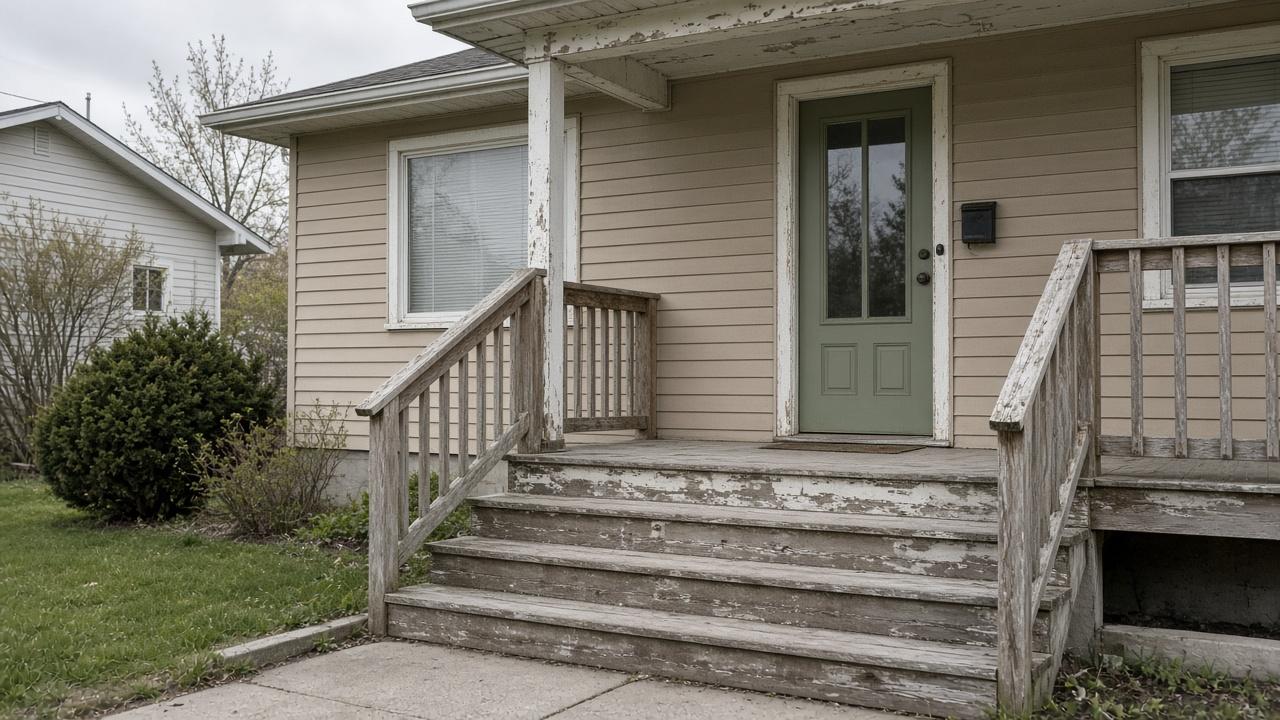
The electrical is old. A basement was finished years ago and nobody can find a permit. The deck is wrong, the stairs are soft, or a letter from Chatham-Kent is on the counter. You are trying to sell, and the question hanging over the house is whether it will “pass code.”
Often, yes, you can sell it. A house with building problems, an open permit, a property-standards letter, or a pile of repairs can still change hands in Chatham. The hard part is knowing which problem you actually have. Those problems are not interchangeable, and fixing the wrong one wastes the money you were trying to save.
This is general information, not legal advice. The municipality and your lawyer are the ones who can speak to your file. A contractor’s guess is not the notice.
“Won’t pass code” is five different problems
People use the phrase loosely. Sometimes a buyer’s inspector disliked the furnace. Sometimes a renovation was done with no permit. Sometimes a permit was opened and never closed. Sometimes a property standards officer wrote a notice. Sometimes the building is unsafe to occupy. Your next step depends on which of those it is.
| What you were told | What it usually is | What to do first |
|---|---|---|
| The inspector flagged it | A private buyer’s report | Decide whether to repair, credit, or sell as-is |
| The renovation has no paper | A permit question | Ask the municipality what is on file |
| A permit was started and abandoned | An open inspection file | Find out what is still outstanding |
| You got a written notice | Property standards | Read the deadline and the exact work |
| They say it is unsafe | An unsafe building matter | Follow the order and talk to your lawyer |
Do not spend money solving a column you are not in.
Chatham-Kent property standards
The municipality has a property standards by-law. Owners are expected to keep buildings and yards to the minimums in that by-law. If a complaint is investigated, you can get a written notice that names the problem, the work, and the time allowed. That notice is the assignment. A contractor’s opinion of what “they probably want” is not.
Property standards files often involve structure, damaged exteriors, unsafe stairs or guards, plumbing, heat, electrical conditions, garbage, a failing driveway, interior deterioration, accessory buildings, or sanitary conditions. If you already have the letter, read every page. When a line is unclear, ask the municipality’s building services, and follow up in writing. Do not pull a posted order down.
A buyer’s inspection is not a code inspection
The inspector a buyer hires is usually reporting what they could see and what might worry that buyer. They are not deciding that the whole house must be rebuilt to today’s code because it was built decades ago. An older house does not fail a sale merely by being old.
Their report may mention old electrical gear, a missing handrail, plumbing, a damp basement, an aging roof, a crack, or old heating equipment. Some of that needs attention. None of it, by itself, means Chatham-Kent has ordered you to do it. Ask a plain question: is this a buyer’s concern, or is there an actual municipal requirement?
Work that was never permitted
You may not have done the work. The basement bathroom, the addition, the deck, or the extra room may have been there when you bought. Buyers will still ask whether a permit was taken out. Chatham-Kent requires permits for many kinds of work, including additions, structural changes, and a lot of mechanical, electrical, and plumbing work, and permitted projects are inspected in stages. The exact rule depends on the work and the year it was done. Ask them. Do not guess from memory.
Projects that raise the question include basement renovations, extra bathrooms, walls that were removed, additions, decks, garages, sheds, plumbing changes, and an extra unit. If you are unsure, ask what records exist for the address. Owners can often get parts of the property file. Some records take another step. Your lawyer can help if the file is not straightforward.
Do not demolish a room because a permit is missing
This is where houses get worse. You cannot find paper for an old renovation, so you assume the bathroom or the deck has to come out. Maybe it does. Maybe the work was allowed at the time, or a permit is already on file, or it can be inspected as it stands. Ask before you tear it apart.
- Was a permit required when the work was done?
- Is one already on file?
- Were the inspections finished?
- Is the permit still open?
- Can the work be inspected now?
- Will they want drawings?
- What, if anything, has to be corrected?
- Does the current use comply with zoning?
There is little sense in removing something usable because of an assumption about paperwork.
Open permits follow the house
A permit can sit open for years. Someone forgot to book the final inspection. A contractor left. The renovation stopped halfway. The house changed hands and the file came with it. The project is not finished in the municipality’s eyes until the inspections they require are done.
Find out what is outstanding. Sometimes it is a visit and a signature. Sometimes finished work has to be opened, changed, or corrected before they will close the file. A buyer’s lawyer will often see the open permit. Hiding it is a bad plan. Whether it must be closed before title can move is a question for your lawyer and the municipality, not a promise you should make in the listing.
How serious it is
Think of it as a ladder, so you do not treat a tired furnace like a condemned house, or a real order like a suggestion.
At the bottom, a buyer simply does not like something: an old furnace, a worn floor, an aging roof. You negotiate, repair, or sell as-is. Next, work may lack permits: a finished basement, an extra bath, an addition. Check the records before you demolish. Next, a permit is open or an inspection failed. Find out what corrections remain. Next, a property standards notice names the work and a deadline. Read it. At the top, the building is unsafe: a partial collapse, a major structural failure, a serious hazard. That is immediate. Follow what the municipality requires. Do not send buyers into it.
Not every “code problem” is at the top. Knowing the rung keeps you from overreacting, and from ignoring a real order.
Unsafe is a different file
Serious structural trouble is more than peeling paint. The municipality can order unsafe conditions remedied and can restrict occupancy. If you have that kind of order, treat it differently from an inspector’s note about a handrail. Talk to building services, a structural professional if they say you need one, and your real estate lawyer. An order like that can affect whether anyone may live there, what must be repaired or taken down, insurance, financing, and whether a closing can happen on the date you want.
What buyers notice immediately
Exposed wiring, a damaged panel, or electrical work left unfinished raises safety and insurance questions. Leaks, makeshift plumbing, and fixtures that were never finished show up in an inspection. Walls removed or rooms added without paper make people wonder if the structure is sound. Loose guards, missing handrails, and broken steps are obvious on a walk-through. A basement that looks like an apartment raises zoning, fire separation, permit, and occupancy questions. Garages and sheds cause trouble when they are falling down, in the wrong place, or built without the approval that was required.
A house can meet a building question and still have a zoning problem. Use, an extra unit, and where a structure sits are zoning issues. Do not advertise an unapproved basement as a legal rental. Tell us what it is. Your lawyer should describe it in the agreement.
Three ways to sell
Finish the required work first when the notice is clear, you can pay, and the deadline allows it. That can open the door to ordinary financed buyers. List it disclosed, and expect inspection conditions, a price cut, or a lender who refuses once they see the open permit or the order. Or sell as-is to a cash buyer and leave the code work for later, except anything that is unsafe to leave while you still own it.
The first estimate for “bringing it to code” often leaves out drawings, more than one trade, openings in the walls, and the months of mortgage, tax, insurance, and heat while you wait. Get a written quote for the actual notice, not for every old thing in the house. Compare that quote with an offer on the house as it sits. We will not invent a sample Chatham sale price.
What to hand over
- Any Chatham-Kent notice, and the deadline
- Open permits and inspection results
- A buyer’s report, if one already killed a deal
- What you know was built without paper
- Whether anyone is still living there
- Whether any area is unsafe to enter
You do not pass code for us
We buy in Chatham without a code upgrade first. A photo of the worst of it, and the letter if you have one, is enough to start. If only the porch failed, say that. We will not assume the house is condemned. The offer prices the work that remains. There is no listing commission from you. Your lawyer reviews the agreement, and you pick the closing date once title can move. Cash does not erase an open order. The agreement has to say who takes the remaining work.
An inspection is not an order
Can you sell if it will not pass a buyer’s inspection? Often yes. Their report is not the same as a municipal order. Do you have to close every permit first? Not always. Disclose them, and ask your lawyer which ones have to be finished before a transfer. Can you sell a basement that is not a legal unit? You can sell the house. You should not sell the story that it is a legal rental.
Should you appeal a property standards notice? Only with a lawyer, and only inside the window on the letter. A phone call does not extend a deadline unless they say so. What if you cannot afford the work? A sale that assigns the remaining work can be the practical path. It still has to be papered properly. Send the address and the notice.