An abandoned property you do not want
by Roy8 min read
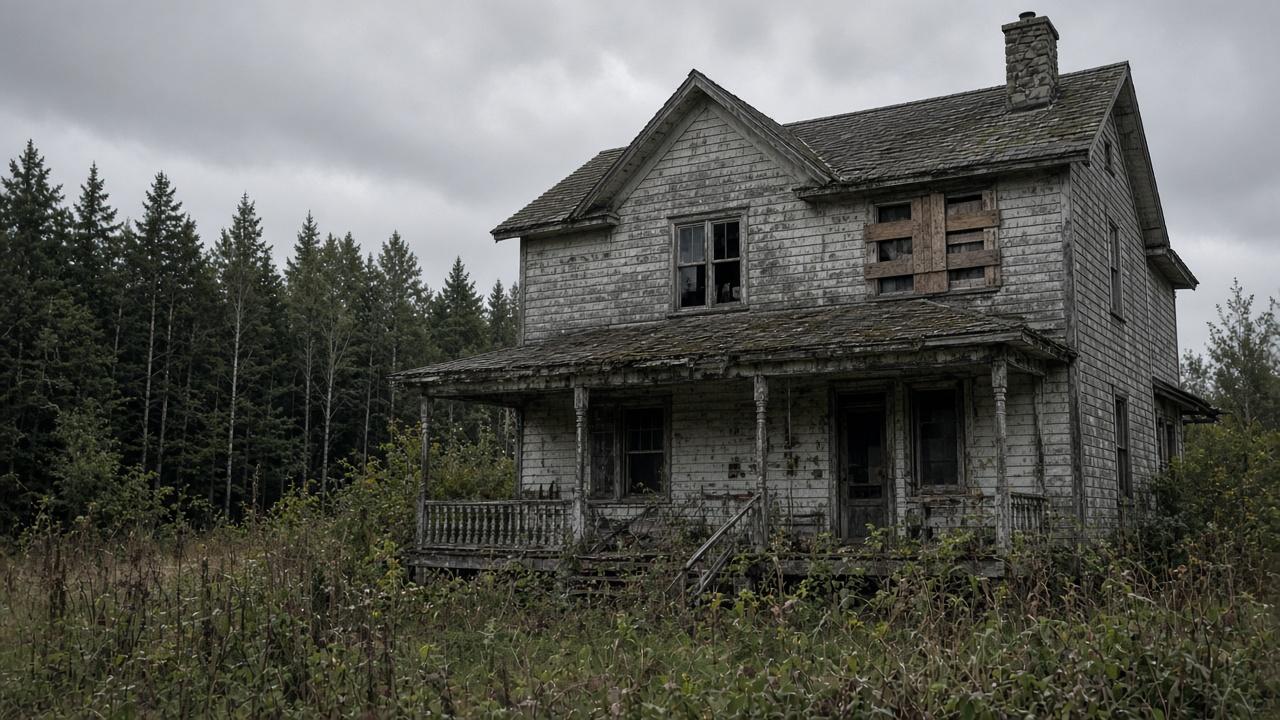
The house is in your name and you do not want it. Inherited, a rental that failed, or a life that moved on and left the building behind. It has been empty long enough to feel abandoned, even if the furniture is still there. Tax, insurance, and small failures did not stop. Later has already been expensive.
This is general information, not legal advice. Your own lawyer is the person who can speak to your file.
What you are holding
Vacant, not maintained, often damaged, not earning rent. Sometimes full. Sometimes stripped. The word is not a judgment. It is a carrying cost plus, often, a city file or an insurer who does not know the house is empty. A missing door is a trespass problem while your name is on title. Board what is open or follow what the city already required. Do not stage it as lived-in for photos.
Why another season costs more
Leaks spread because nobody is home. Insurance lapses or gets cancelled when the vacancy comes out. A yard letter becomes a bill. The retail buyer you hoped for wants a project even less after another winter. Add your own mortgage, tax, insurance, and whatever heat you still pay. We will not print a sample monthly total. That sum is the cost of waiting.
Three choices
Repair and list, if you can get contractors to a house you do not visit and a buyer will believe the work. Rent it again, which means making it habitable and becoming a landlord, with rules that differ in Ontario and Alberta. Or sell it as it sits. Only rent it if you actually want that job. Most people in this spot are trying to end the job.
What you can skip
A cosmetic renovation. A dumpster you cannot supervise from another city. A listing that needs repeated access. You do not have to replace glass or pretend the lights are on. You do have to say if the keys are lost, the utilities are off, or you are not sure whether the pipes were winterized. An unheated winter is how abandoned becomes destroyed.
Estates, letters, and other owners
Probate is not optional because the house is a burden. Your lawyer says when the estate can transfer. Everyone on title signs. A work order about debris or an unsafe porch survives an accepted offer unless the agreement says who finishes it. Contents the family wants should come out before closing if it can be done safely. Tell the insurer the truth before a loss.
How long, and who can get in
- The address and how long it has been empty
- Heat, water, insurance: on or off
- City letters
- Who has keys
- Whether this is an estate
- Who else must sign
Bills that kept arriving anyway
A mortgage on a house you abandoned does not shrink. Tax notices sent to the vacant address are still tax. A utility in a dead relative’s name shows up when the lawyer asks. Put those in the first note. If the price will not cover them, waiting another year makes the shortfall worse, not better. A lien from a contractor who started and left is the same pile. It is paid if the price covers it. It is not skipped because you are tired of the house.
Insurance that still thinks someone lives there is a second risk. Tell them, or tell us it has already lapsed. An empty house with no policy is a different offer from an empty house that is covered. Neither one requires you to move back in to deserve a conversation.
How the house got left
The usual stories are an inheritance nobody wanted, a rental that ended badly, a move that was supposed to be temporary, a legal or money problem that froze the decision, or repairs that grew until you stopped visiting. The building does not care which story it is. Tax, a mortgage, insurance, and small failures continue. We will not print a sample month and call it yours. Add the statements. That sum is the cost of later.
Empty also means vandalism, a break-in, weather through an open window, and an insurer who may limit or cancel coverage once they know nobody lives there. The longer it sits, the harder a retail buyer is to find, because the neglect compounds. Securing a door is not a renovation. Leaving it open because you are finished with the house still leaves your name on the risk.
A higher price, or simply done
Decide which you want before you hire anyone. A higher price means a cleanout, repairs, and a listing you can actually show. Done means an as-is sale, junk included, at a lower number, without a dumpster you cannot supervise from another city. Renting it again is a third job: make it habitable, then be a landlord under rules that differ in Ontario and Alberta. Choose that only if you want the job. Most people who describe a house as abandoned are trying to stop.
One honest look, if entry is safe, is enough to stop describing the house from memory. Photos from the sidewalk start the file. They do not price a soft floor. If you want to be finished, do not start a repair that will sit half done when winter arrives. If you want price, get quotes on this address and set them beside the offer. There is no listing commission from you on a cash sale. We do not pay your legal bill, and we will not promise a number of days. A sibling who wants one more season should see the carrying cost next to that wish before the family calls the delay free. If nobody has been inside, say that. The first number has to be allowed to change after someone is actually inside.
It does not have to look lived in
We buy houses in that state in Ontario and Alberta. You do not have to make them look lived in. There is no listing commission from you. The offer prices the condition we will receive. Your lawyer handles the transfer, including whatever they can do while you are far away. You can refuse the number. There is no fee to ask, no promised number of days, and we do not pay your legal bill. If we cannot get in, we cannot price the rooms we have not seen.
One visit, then a decision
If entry is safe, one walk-through is enough to stop guessing. If it is not safe, do not go in to be brave. Tell us the entry is restricted. A house abandoned for years often looks worse in person than in the story you have been telling yourself. That is allowed to change the number before you sign. It is a bad surprise on closing day. Belongings you still want should be listed. Everything else can stay if the agreement says the house is sold as it sits, junk included. A sibling who wants one more summer to think is a real position. It has a cost, and the cost is another season of tax, insurance, and decay. Put that cost next to the offer before the family calls the delay free. If the house is open to weather, secure what you can while you still own it. That is not a renovation. Tell us if you cannot. The offer should match the house that will be standing on closing day. Send the address even if your last visit was a long time ago, and say so, so the first number is allowed to change after a real look. Everyone on title still has to sign. A house you do not want is not a house you can sell alone if another name is on the deed. Ask your lawyer when an estate is actually allowed to transfer. Clutter in the rooms does not replace that step.
The risk does not pause while you decide
A missing window, a porch the city has already written about, and a policy that still thinks someone lives there are all current problems. Selling does not erase a work order. The agreement has to say who finishes what is left. If you cannot board what is open, say that, so the offer matches the house that will be standing later, not the house you remember. Contents the family wants should come out before closing if someone can do it safely. Everything else can stay when the agreement says the house is sold as it sits.
Far away, and still your name
Can you sell it like this? Yes, once the right people can sign. Do you have to clean it out? No. What if it is damaged? That is the price. What if you live far away? Photos start it. Your lawyer will say what they need from you in person. What if someone else has been inside? Say so. Do not promise vacant possession you have not checked.